thanks MIT, for fixing Apple’s glaring problem

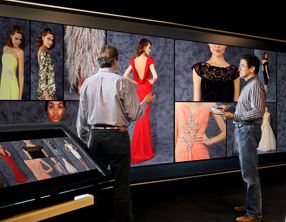
Apple likes shiny toys.  They’ve figured out that hundreds of millions of people also like shiny toys.  In the process, Apple single-handedly unleashed glossy screens back onto a world that had effectively rid ourselves of such glare bombs about a decade ago, via high performance anti-glare coatings on LCD screens.  Such wonderful coatings freed lighting design for offices to once again include beautiful luminous elements and natural daylight, restoring a wonderful feeling of brightness that had been systemically eliminated to prevent veiling glare on older style CRTs. So now everyone “happily” lives with seeing their own reflection brighter then the … Continue reading thanks MIT, for fixing Apple’s glaring problem

biomimetic lighting systems

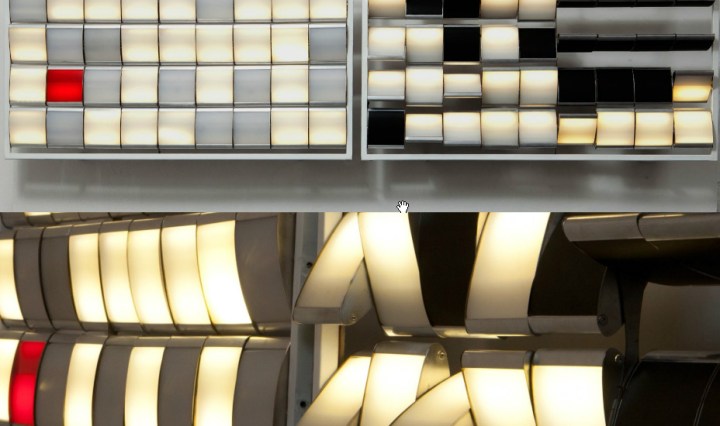
There are three broad market trends currently impacting architecture and urban design:  The first is the incorporation into the exteriors of buildings of novel energy conservation (e.g. solar shading systems) and generation (e.g. solar photovoltaic) features.  The second is the continued development and incorporation of “low-resolution” digital media displays on building facades and within larger urban settings.  The third is the desire for communities to develop differentiated, “branded” urban environments to stimulate their local economies. There is tremendous innovation space contained within the overlap between these three trends.  How are lighting systems incorporated into the innovative exterior cladding systems of … Continue reading biomimetic lighting systems

3+1: fundamental lighting categories

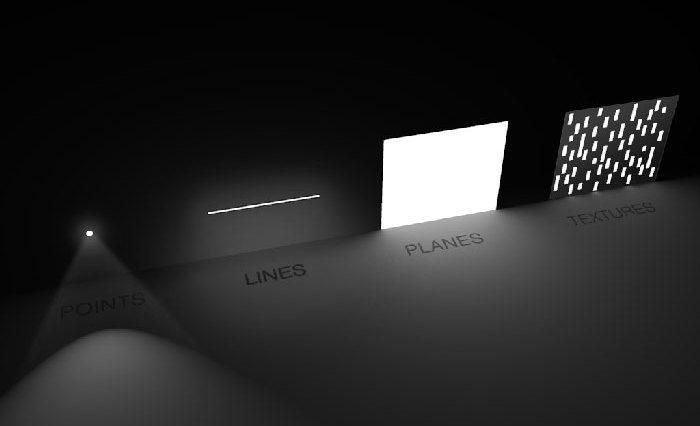
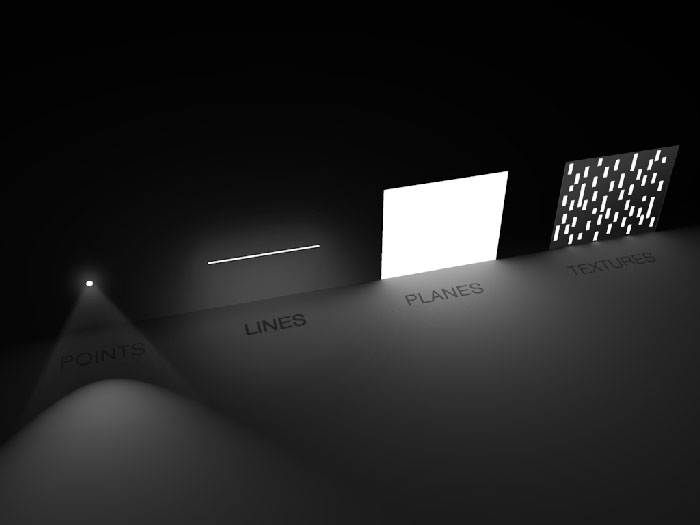
Above is a rendering I made to help explain a basic way to categorize light sources.  Lighting can be broken down into three fundamental geometric categories: point sources, linear sources, and planar sources.

Now, we don’t live in a conceptually perfect Euclidean world, and the perception of relative scale of course matters in how one defines a certain light source.  What is approximating a skinny “line” of light at a far distance resembles a rectangular plane of light at a near distance, so context is essential in these categorizations.

A direct result of this relative scale perception issue is that when points, lines and planes are aggregated together in clusters, they create visual textures across a meta surface.  Let’s call these the “3+1” fundamental geometries of lighting.

Continue reading “3+1: fundamental lighting categories”

osram’s “airabesc” oled + led fixture

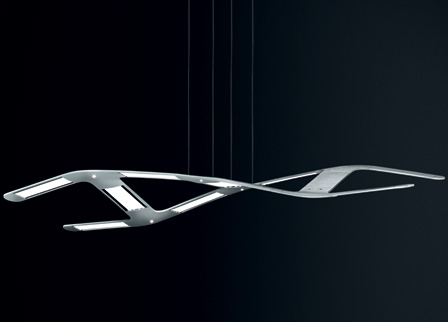
OSRAM launched a stylish combination OLED + LED pendant fixture called the “Airabesc” at the recent iSalone/Euroluce show.

OSRAM has been experimenting with OLED technology for well over a decade now (I personally saw back in 1999 an early OSRAM prototype OLED while at Harvard’s School of Design ).    Its nice to see OLEDs finally reaching the output levels needed for general illumination.  And the fixture is  definitely following the du jour architectural trends of biomimetic, swoopy styling enabled by digital design and fabrication.

Continue reading “osram’s “airabesc” oled + led fixture”

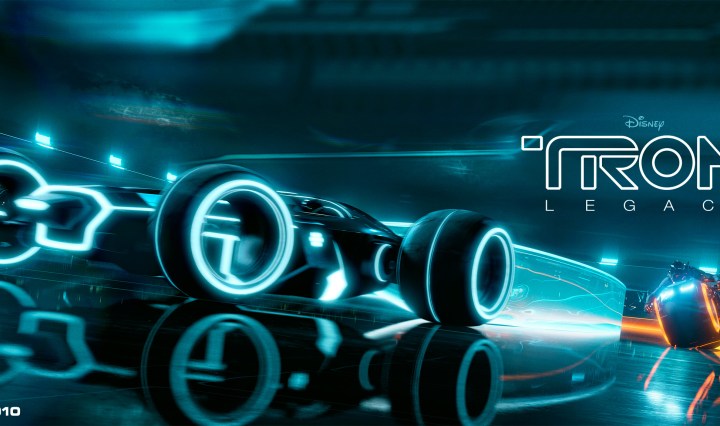
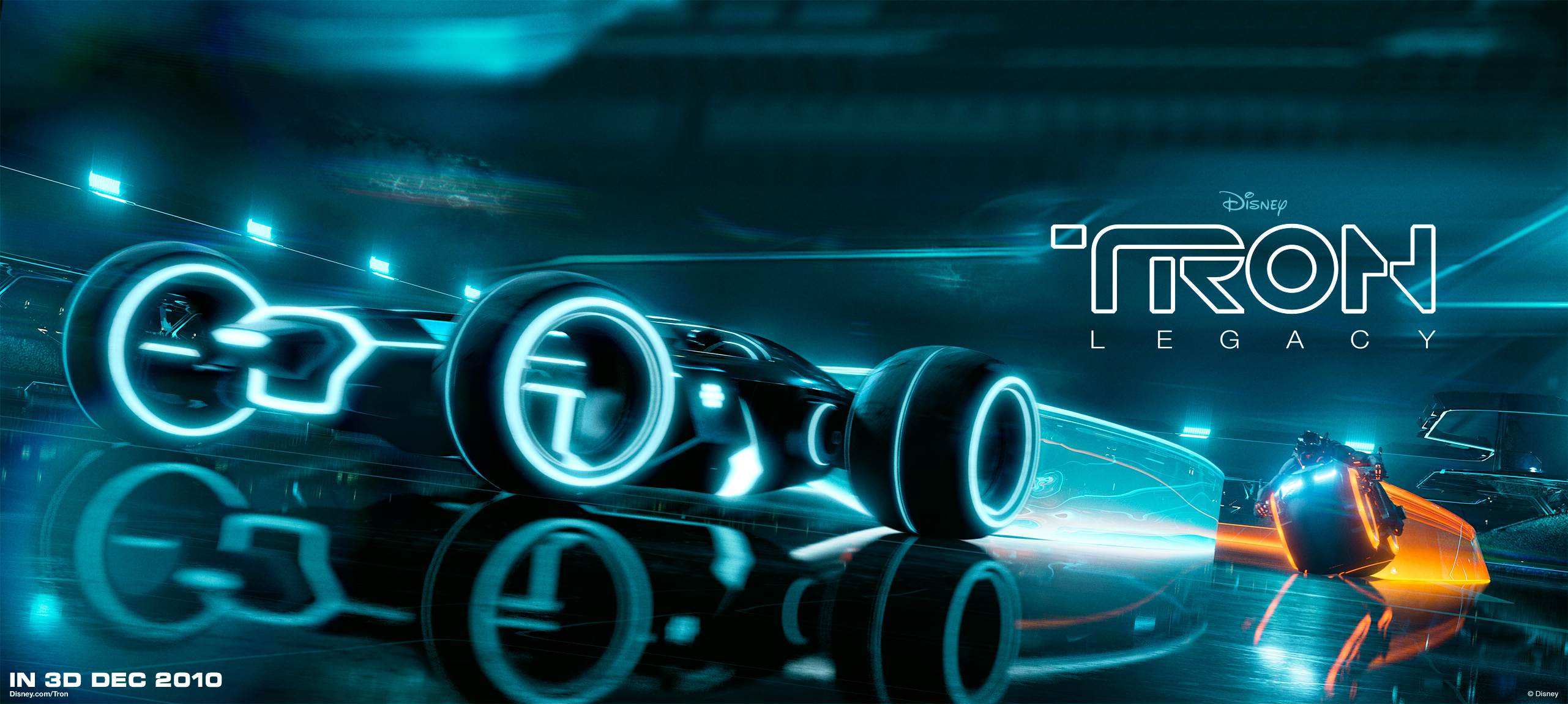
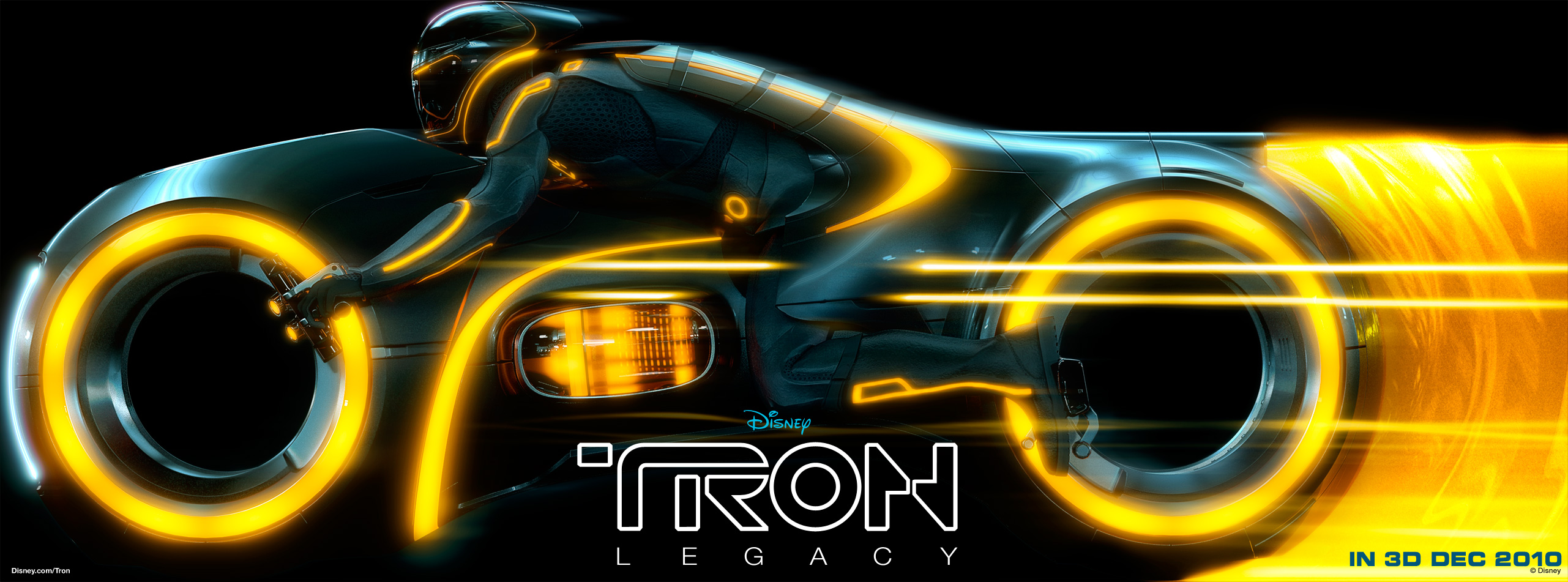
Lighting Inspiration: Tron Legacy

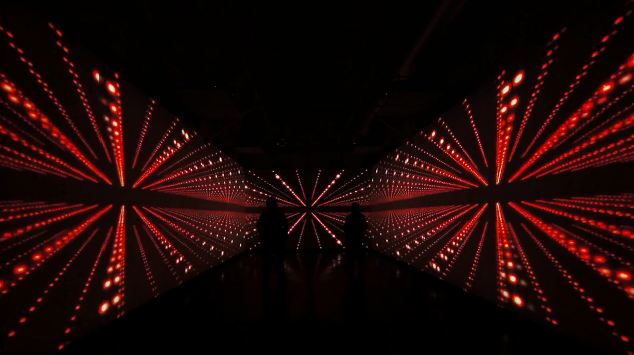
Disney has been promoting its Tron reboot for what seems like several years at this point.  I’m not a sci-fi geek, but this movie has caught my attention for its crazy, intrinsic use of lighting effects to achieve the movie’s overall aesthetic.

My contention has been that the future of lighting is clear:  just look to past sci-fi movies to see what the environments of the future will look like.  Star Wars and Blade Runner are two prime examples of environmental lighting visions that have already come to pass.

Continue reading “Lighting Inspiration: Tron Legacy”