
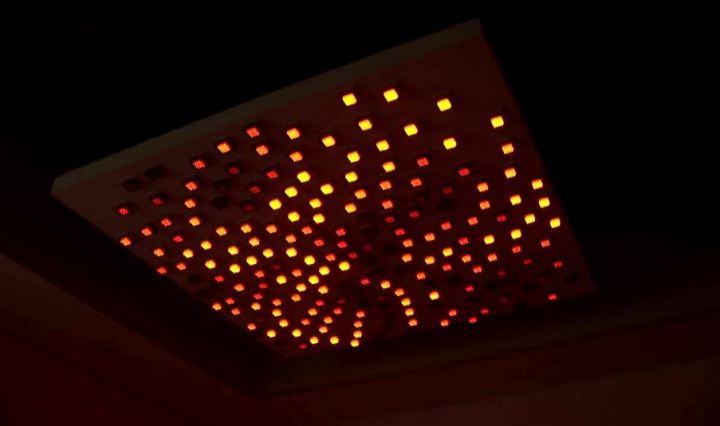
leo villareal – hive
Nice video posted several years ago by Leo Villareal of his “Hive” installation. Hive from Leo Villareal on Vimeo. Continue reading leo villareal – hive
Nice video posted several years ago by Leo Villareal of his “Hive” installation. Hive from Leo Villareal on Vimeo. Continue reading leo villareal – hive
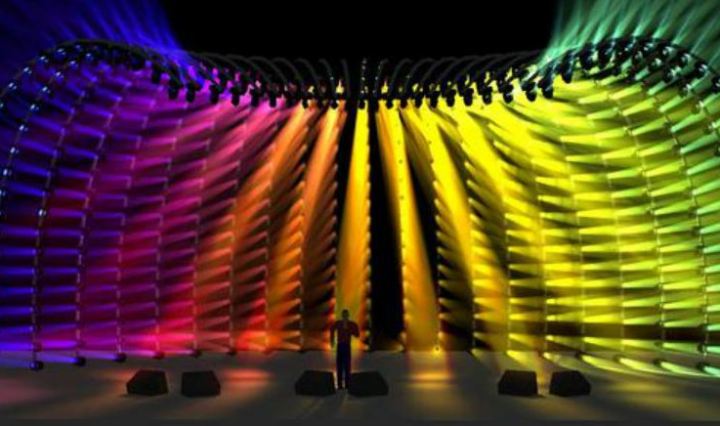
In a random search for images of pixel mapping, I found this awesome video on Vimeo by Simon Allen, showing his experiments with pixel mapping to moving-head fixtures on a sexy looking rig. The design looks awesome….nice video! Reminds me of … Continue reading simon allen – pixel mapping

Via ArchDaily, a very cool custom light fixture from .PSLAB that is conceived as an integral part of a residential circular staircase design. According to ArchDaily: “The lighting installation hangs from a partially recessed supporting plate with extruded profiles that … Continue reading .pslab staircase fixture
I’ve heard rumors that my former employer, Micron Technologies, is finally killing its floundering LED lighting ambitions, at least at the fixture level. Micron has a long, sad history of starting “hobby businesses” in an attempt to diversify outside of its core memory-chip business; Micron already killed its foray into PV Solar, which actually had far more traction then the LED group. Micron is clearly at fault for its own failure to achieve any meaningful traction in the hot LED market over the course of four years. But I think it is a great example of what you will see over the … Continue reading foretelling a massive industry shakeout?
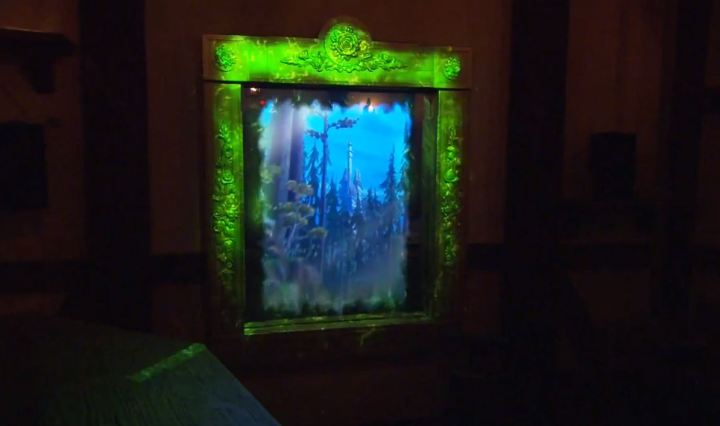
Disney Parks’ Blog just released a video tour of the soon-to-be-opened Maurice’s Cottage character meet-and-greet attraction at the Magic Kingdom’s new Fantasyland Expansion. The video starts with a seemingly innocent construction site tour…and then WHAMMO…one of the most stunning special effects … Continue reading disney’s magic portal
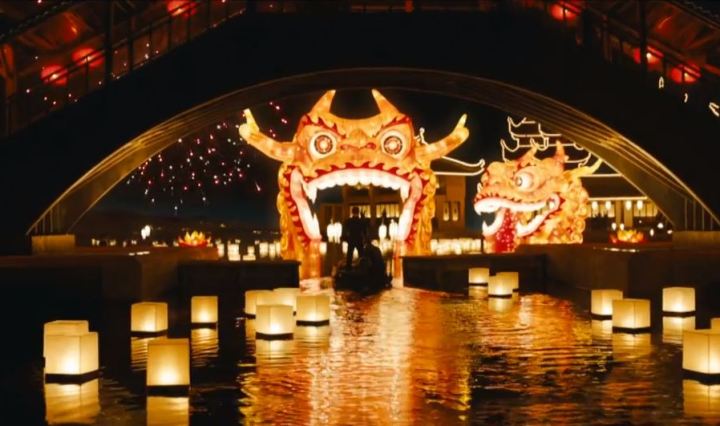
Looking forward to the next James Bond flick? I am too…and pulled a few screen caps of awesome lighting scenes set in Shanghai from the promo vids: Above images from the international trailer: James Bond – Trailer Above images from … Continue reading james bond: skyfall
If you are a specifier trying to sort through “good” LED fixtures from “junk” LED fixtures, many of the design + engineering trade-offs in the product are often obfuscated. Heatsink design is one of those areas. Sometimes “good” LED fixtures require big-ass heatsinks; sometimes they have no apparent heatsink. Why? There was a smartly written post explaining the need to balance thermal conductivity of materials versus the convection rate of the overall heatsink design. In sum, a highly thermally-conductivity material (i.e. aluminum) does not necessarily help if the overall convection rate of the heatsink does not match the flow rate of … Continue reading thermal conductivity vs. convection rates
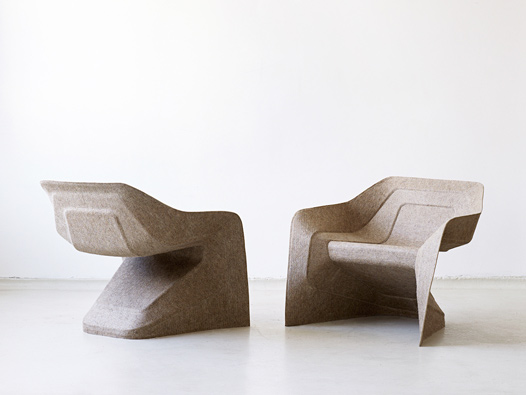
Part of my continuing vision for the future of architectural lighting is the potential to use natural bio-mass materials for fixture housings, instead of the high-embodied energy materials like steel and aluminum. An example of this is a design project … Continue reading molded hemp chair
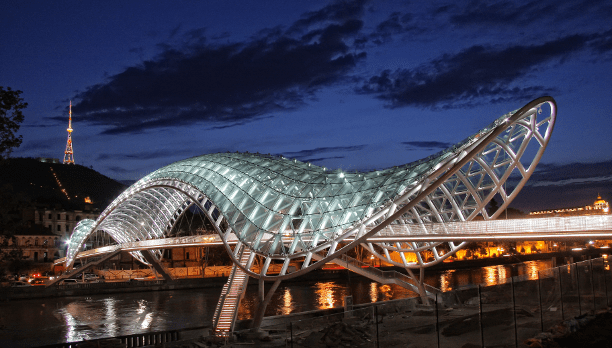
I found this very interesting project on Pharos Controls blog page: The “Bridge of Peace” in the country of Georgia features interactive lighting along the pedestrian pathway. According to the blog post: The Bridge of Peace spanning the river Mtkvari … Continue reading bridge of peace

Digitalarti Artlab in Paris is showcasing a project by artist Antonin Fourneau, in which a custom LED wall lights-up when touched by water, and then slowly fades to black. Cool use of interactivity and one that I’ve not seen before. One question: How … Continue reading water light graffiti
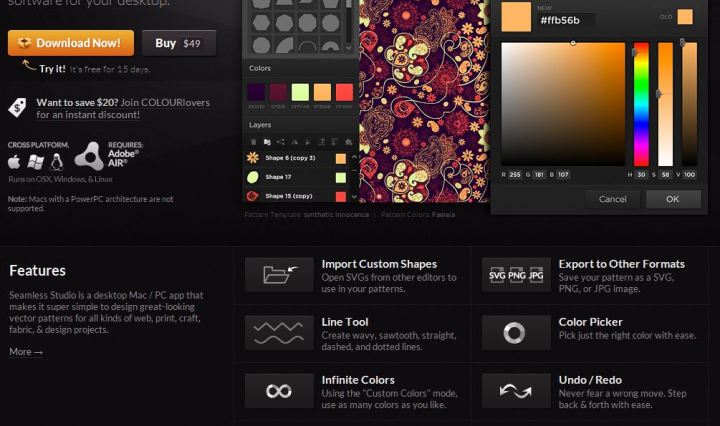
If you are developing a concept calling for patterns of light, or are developing a very specific color palette for materials or light hues, I would suggest looking at COLOURlovers. It is a great site with lots of content, plus … Continue reading colourlovers
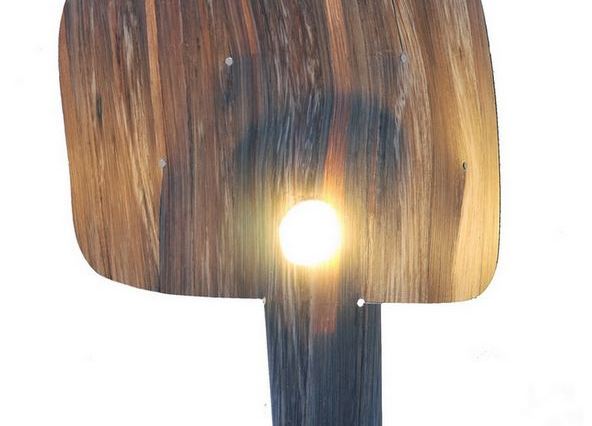
FIBandCO is a startup based in the French island of Martinique that is developing a beautiful veneer from banana trunk fibers called Green Blade. The veneer is available in several finishes and is translucent in its thinnest cut. They have … Continue reading fib and co
Despite the myriad new technologies available to the lighting industry, the industry seems frozen in the past, paralyzed by suddenly having too much creative freedom. The problem is that the industry is actually suffering from a lack of smart industry standards that would ultimately enable more innovation in architectural lighting applications. Without modern and extensible standards, the lighting industry is effectively reduced to bunch of walled-garden, proprietary-technology fiefdoms. To allow creative designers and solution providers to “mix and match” the best capabilities and innovations from throughout the industry, the industry must develop the connective tissue of intelligent and open standards; … Continue reading the paradox of industry standards and creative freedom
For several years now, it has been apparent to industry insiders that, essentially, all light sources in the near future will transition to LED or OLED. So the question needs to be asked: When energy efficiency becomes irrelevant (because every light source has a very high level of efficacy as a standard feature), how will designers continue to conserve energy? The answer, I think, will be a shifting of focus for lighting designers from selecting light sources to scripting lighting control systems; designers will need to engage the art of dynamic controls. Accompanying this shift will be the transition of … Continue reading the art of dynamic lighting
I found a nice treasure trove of academic papers from Eric Von Hippel, a professor at MIT’s Sloan School of Business, regarding user-centered innovation. I particularly like his concept for describing “sticky” information: The author’s point is that economists too easily discount the cost of “information transfer”. Connecting the critical information of an end user’s problem to a problem solver/problem solving organization is complicated by how difficult or costly it is to transfer the required key information. http://web.mit.edu/evhippel/www/papers/stickyinfo.pdf “The need to transfer information from its point of origin to a specified problem-solving site will not affect the locus of problem-solving … Continue reading “sticky” information

Check out this great TED Talk: Ramesh Raskar – Imaging at a trillion frames per second http://on.ted.com/h42N Ramesh uses a new technique called femto-photography that is so fast is captures beams of light traveling in mid-air; aggregating the photographs into … Continue reading Femto Photography: Capturing Pulses of Light
“They are not just copying our products; they are copying our way of doing business.” This was a comment recently made by a colleague in the lighting industry, referring to the endless small startups attacking the lighting business. It was an astute comment. In one quick phrase he summed up why the lighting industry desperately needs service innovation. LEDs are cool, and there are several other technologies driving change in the industry. But nowadays, any technology is easily copied by any hack company. Customer service on the other hand, particularly excellent customer service, is a very, very difficult thing to … Continue reading copycats
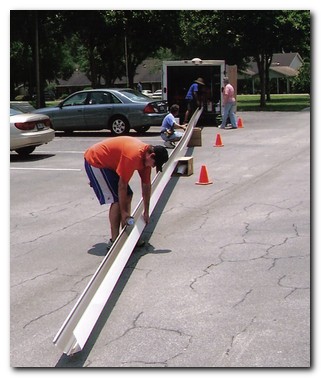
There is a long-standing, latent demand for the incorporation of luminous surfaces into architectural spaces. Servicing this demand has been difficult, because fundamentally the only available light sources have been incandescent point-sources and fluorescent linear-sources. It is extremely difficult to … Continue reading construction site roll-formed fixtures
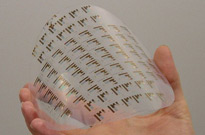
The Holst Centre is an independent research organization located at the High Tech Campus in Eindhoven that tries to bridge the gap between academia and industry. The center has a variety of big name industrial partners and strong connections to … Continue reading The Holst Centre
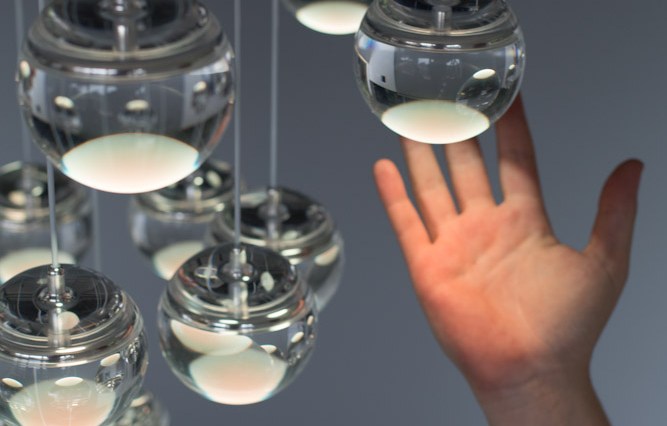
An elegant OLED chandelier project from Cinimod Studio, a creative design firm that brought to life the innovative lighting solutions for the SNOG chain. OLED panels from Philips Lumiblade are cast directly into acrylic orbs and animated with some subtle … Continue reading cinimod studio – oled moon chandelier
 Lucept