


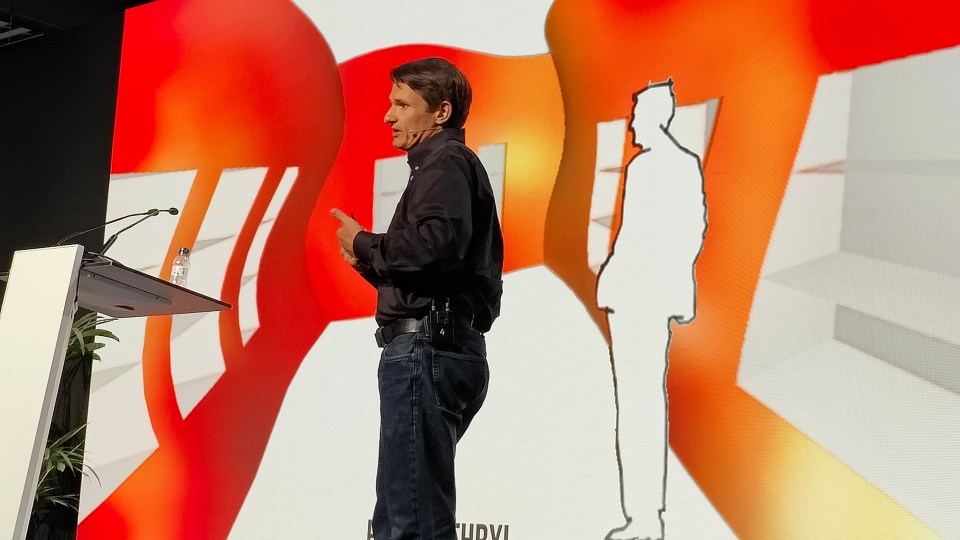
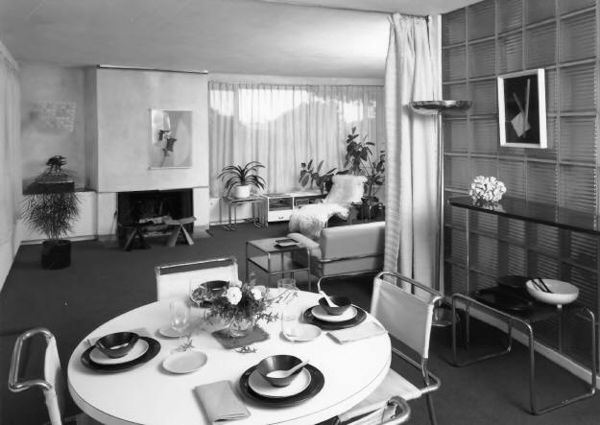
the first downlight?
Back in 2015 Henry Moss, an architect I knew in the Boston area, was helping to restore the Gropius House. This was a slide he had sent me. He had trouble restoring the recessed pinspot that Gropius had invented and … Continue reading the first downlight?

thoughts on managing product roadmaps
I recently put up several posts on LinkedIn exploring the challenges of leading a roadmap that is both innovative and profitable. Let me consolidate them here. First is a longer form video, then a few text posts. 5 MISTAKES IN … Continue reading thoughts on managing product roadmaps
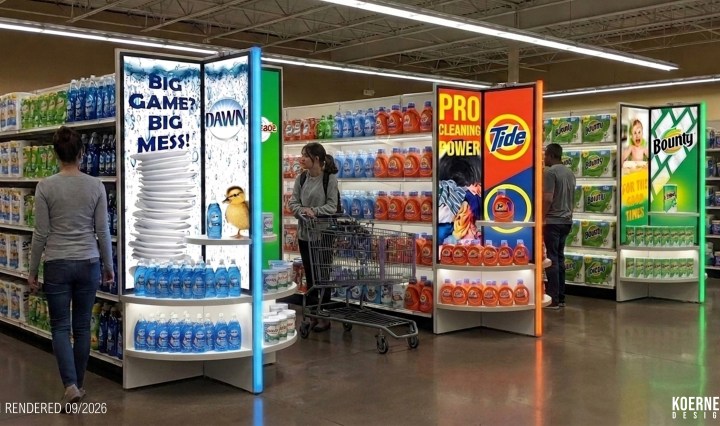
using retail media to make the product the hero
The key move is to “break the 4th wall” and blend the physical product with the digital experience in charming ways. This was a concept pitch I made several years ago aimed at Procter & Gamble for integrating a retail … Continue reading using retail media to make the product the hero
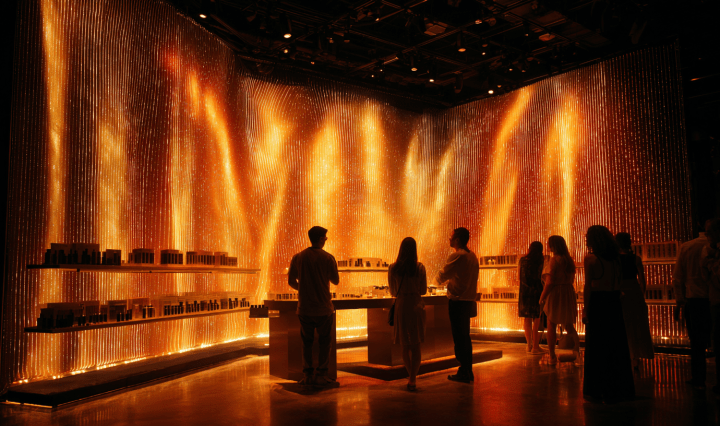
ai slop? or you just have no imagination?
I’m sick and tired of A.I. bashing, especially from design “professionals”. I’m old enough to have heard the luddites say, “CAD will destroy architecture” and “Photoshop will kill photography” and all the other doomsday complaints about each new technology. The … Continue reading ai slop? or you just have no imagination?

desklamp prototype
Tired of AI slop? Well try some human slop instead! I believe traditional “task lighting” for desks is badly due for a reinvention. I’m prototyping a new concept that provides a soft vertical plane of light, which shifts from cool … Continue reading desklamp prototype

product marketing is being radically changed by AI
It is interesting to think about the impacts of AI at all levels of the sales process. I still believe this is one of the best slides I ever made, as I continue to be shocked at how many company … Continue reading product marketing is being radically changed by AI
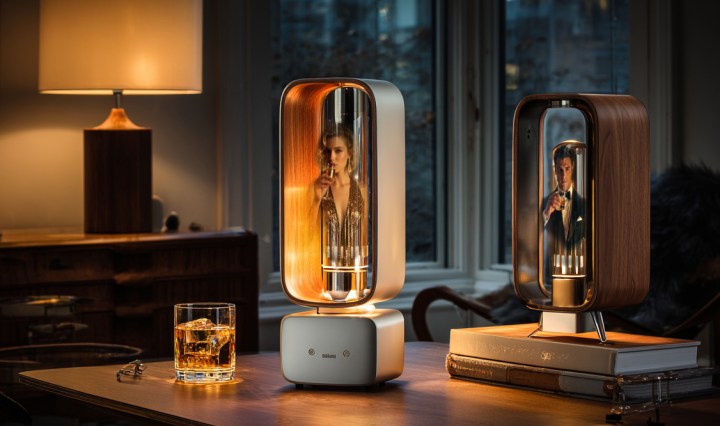
from gen AI to generative lifestyles
How will generative AI become deeply personalized, delightfully aspirational, and deeply intertwined with the enjoyment of our tangible, physical lives? As a designer and product marketing leader, I embraced generative AI tools like Midjourney as soon as they launched. But … Continue reading from gen AI to generative lifestyles
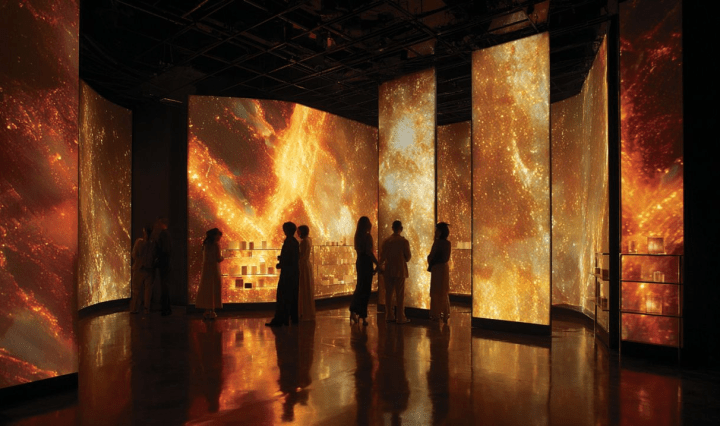
designing emergence
We are entering an era where digital surfaces will continue to expand rapidly in architectural placemaking. I’ve spoken at length about treating our physical places as portals to the digital world, as immersive digital experiences, and the many secondary innovations … Continue reading designing emergence

everybody wants some…luminous patterns
10 YEARS LATER, I FINALLY GET MY MARKETING VIDEO—crank the volume for this one— Back in 2016, I was leading the development of my Luminous Patterns corporate venture at Philips and I badly wanted a hot 30-second video to position … Continue reading everybody wants some…luminous patterns
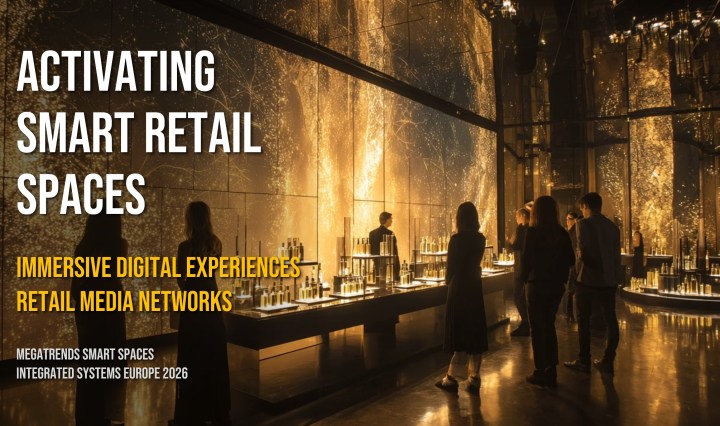
ISE 2026 conference video
THE DIRECTOR’S CUT: Immersive Digital Experiences X Retail Media Networks I promise -ALL- the steamy scenes are in this special edition!Finally my panel session from back in February at Integrated Systems Europe (ISE) is available for you all to binge … Continue reading ISE 2026 conference video
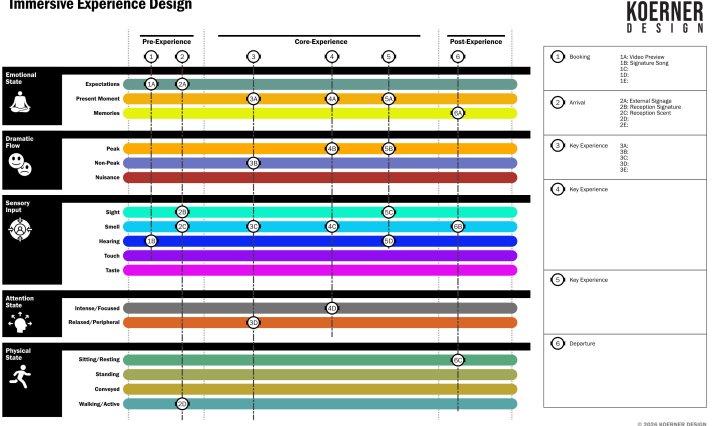
documenting the intentions of ephemeral moments
Most architectural design projects begin with three fundamental tools: proformas, sketches, and moodboards. — Proformas: These establish the basic return on investment (ROI) and form the basis for project management budgets and timelines. — Sketches: Designers use sketches to experiment … Continue reading documenting the intentions of ephemeral moments

investment opportunities in lighting
There is plenty of latent opportunity in launching application-level innovations in specification-grade, interior architectural lighting categories. But the problem is that no one is looking. The architectural lighting industry has become so stagnant that for the past decade, no one … Continue reading investment opportunities in lighting

light + building 2026: VLDC future forum
I had a wonderful time presenting “A Presence in the Light” at the Future Forum conference at Light + Building in fabulous Frankfurt. My essential thesis is that architectural lighting needs to part ways with its legacy foundational technologies before … Continue reading light + building 2026: VLDC future forum

does AI turn every employee into a venture manager?
AI tools may push companies toward a new model: Employees acting like managers of tiny internal ventures, each responsible for metrics they can directly influence, supported by AI instead of large teams. Scott Belsky’s latest Implications newsletter got me thinking … Continue reading does AI turn every employee into a venture manager?

what is the ambition of the lighting industry?
When I walk Light + Building in Frankfurt this week, I’ll be looking broadly for one thing: Is there any ambition on display from the architectural lighting industry as a whole? I spent the first 25+ years of my career … Continue reading what is the ambition of the lighting industry?

what mckinsey missed about the future of LBE development
McKinsey’s recent article on “location based entertainment” makes a solid case for smaller, flexible experiential formats as a way to deepen IP engagement and activate underutilized real estate. Yet I think McKinsey misses a bigger picture, considering the history of … Continue reading what mckinsey missed about the future of LBE development

“i’m a weapons maker for your sales team”
That has become my elevator pitch to explain exactly what I will contribute to your team. At this point in my career, it works better than any singular job title.I help organizations: identify new opportunities in the market; explore, prototype … Continue reading “i’m a weapons maker for your sales team”
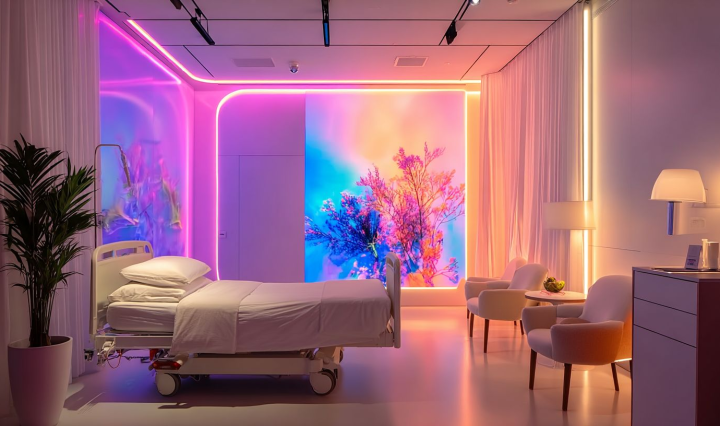
immersive digital experiences in healthcare
There are simply so many opportunities to integrate digital media and digital lighting into healthcare environments. People in their most dire times are locked in literally mind-numbing, joyless boxes of beige, faux laminates and dreadful lighting. With the continually declining … Continue reading immersive digital experiences in healthcare

AI and the mind’s eye
My entire life, I’ve had a wild surplus of imagination. What has limited me is the ability to extract what’s in my mind… to share my “mind’s eye” with the world. Here’s my grand theory: AI will allow those of … Continue reading AI and the mind’s eye
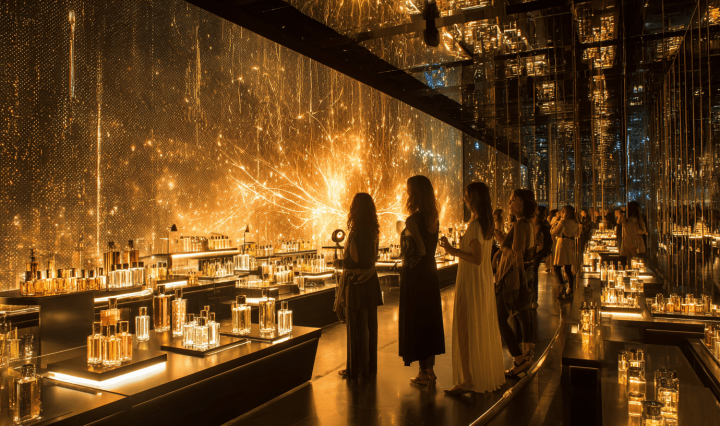
immersive digital experiences X retail media networks
On February 5, 2026, join us at Integrated Systems Europe (ISE) in Barcelona for a conversation on the opportunities and challenges that emerge when Immersive Digital Experiences intersect with Retail Media Networks. Retail media networks and immersive experiences have evolved … Continue reading immersive digital experiences X retail media networks

