
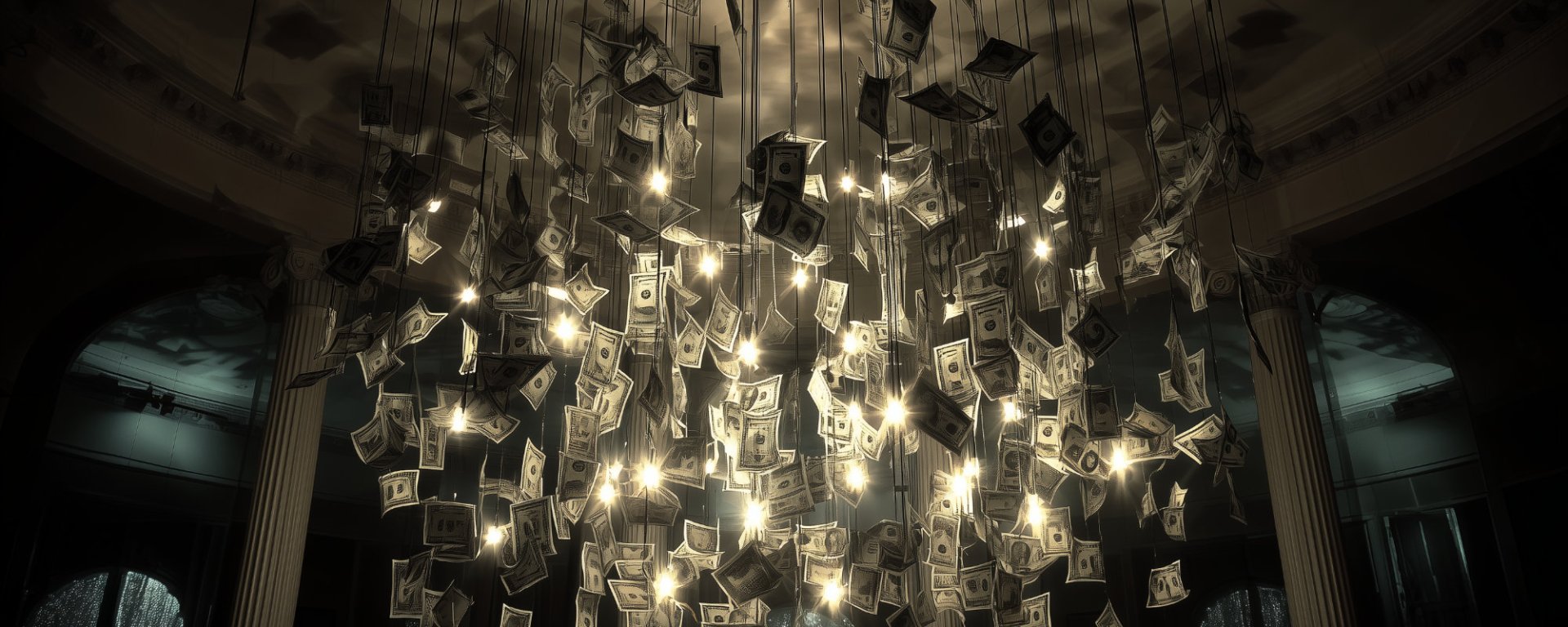
There is plenty of latent opportunity in launching application-level innovations in specification-grade, interior architectural lighting categories.
But the problem is that no one is looking. The architectural lighting industry has become so stagnant that for the past decade, no one is even considering it as a possible investment thesis. I disagree – I see huge opportunities. Let’s take a look at some new revenue streams:
PREFAB DECORATIVE RENOVATION
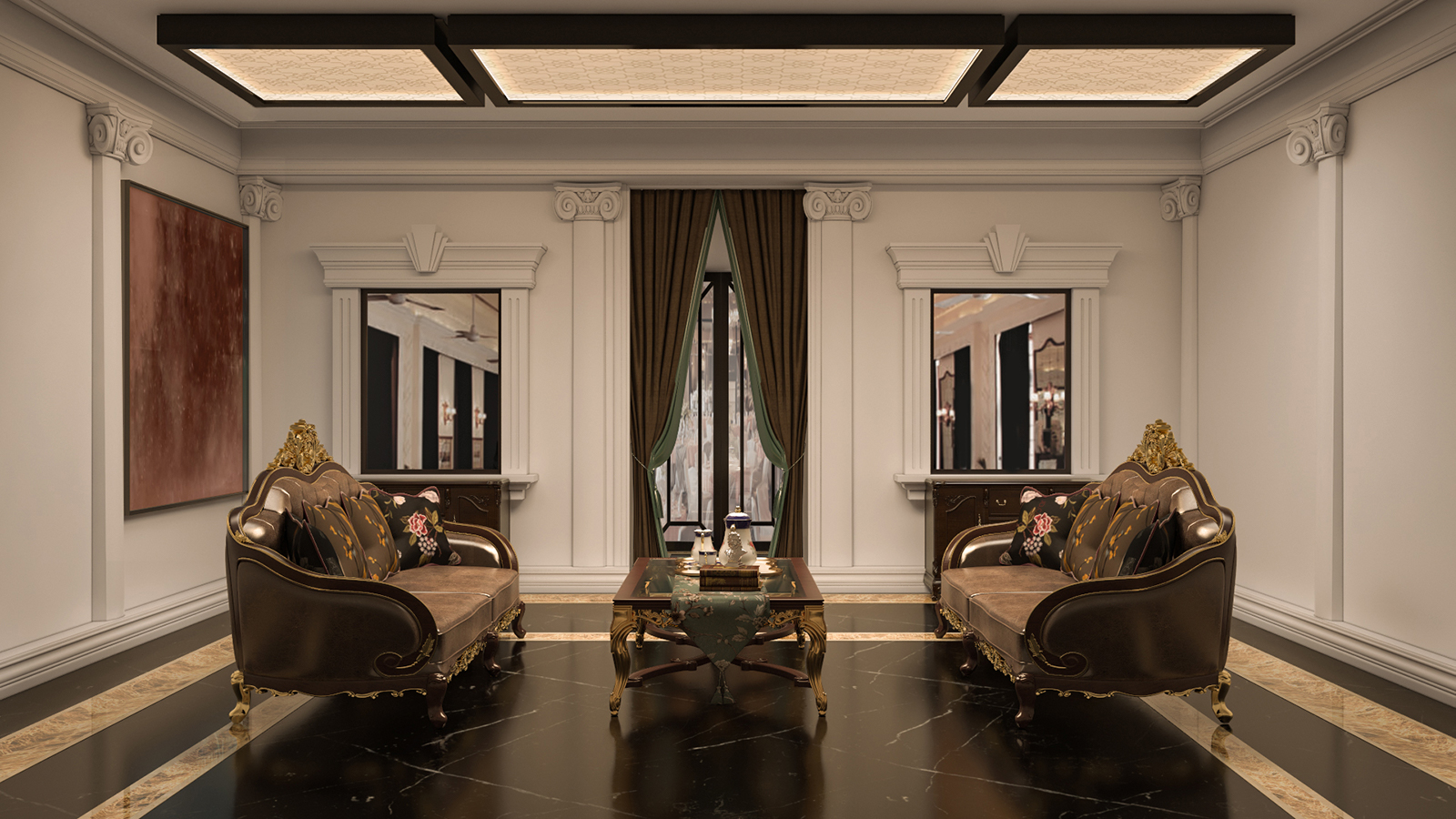
The dematerialization of old-school “lamps” by LED technology wrapped up about a decade ago. You can now have electric lighting in any conceivable format, in any size or shape. Architectural lighting can now be integrated and fused into architectural surfaces in more imaginative ways than ever before.
But with that fusion comes all sorts of project and construction-site headaches: integrating finicky, fragile LED strips into expensive, pain-in-the-ass custom-fabricated architectural details. So the opportunity is HUGE for prefab architectural panels and components that embed lighting, are efficiently mass-customized, and ready for fast on-site installation.
An obvious path to volume is in hospitality and retail projects attempting to quickly “up-market” their locations through fast-turn interior renovations. Architectural lighting is a complete pain to deal with in these sorts of refreshes.
I led development on a line of prefab decorative wall panels that was unfortunately canceled before launch.
Or check out my entire corporate venture from a decade ago that integrated decorative lighting into custom wall and ceiling panels.
WINDOWLESS DAYLIGHT
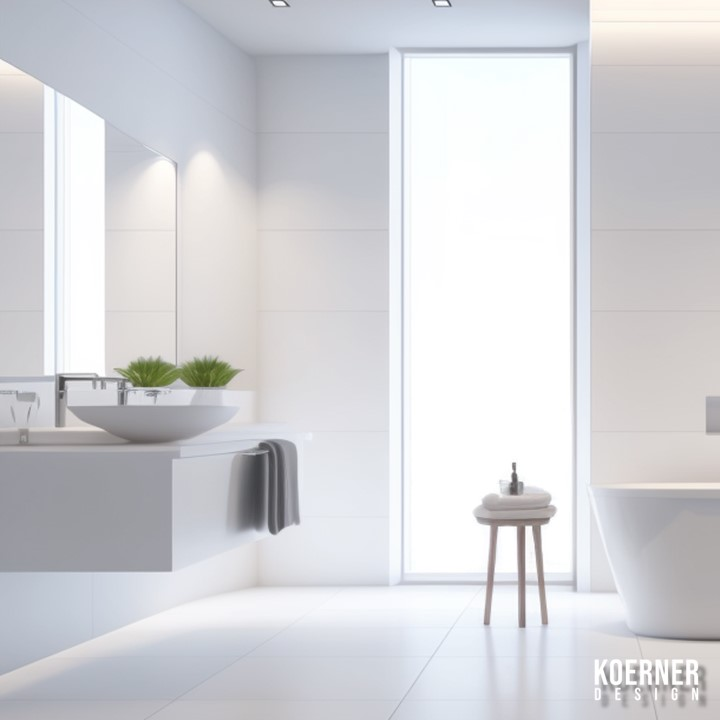
The reality is that much of the built environment does not have access to massive window walls with glorious views of bucolic nature. Many spaces have no views, poor views, or are simply valuable interior square footage nowhere near exterior walls.
Daylight panels are surprisingly effective, creating a convincing feeling of a window without a view. Whether replicating the blue-light Rayleigh scattering effect or simply using a bright, luminous panel with diffused depth, both approaches work well in making dark, windowless drywall boxes feel bright and cheerful.
There are early entrants in this space, but I believe there is significant opportunity to bring these luminous solutions to hospitality and residential applications. Coelux pioneered the Rayleigh-style approach, and Lightglass the frosted look.
And check out my “Brilliant Bathrooms” post.
BIOMATERIAL LUMINAIRES
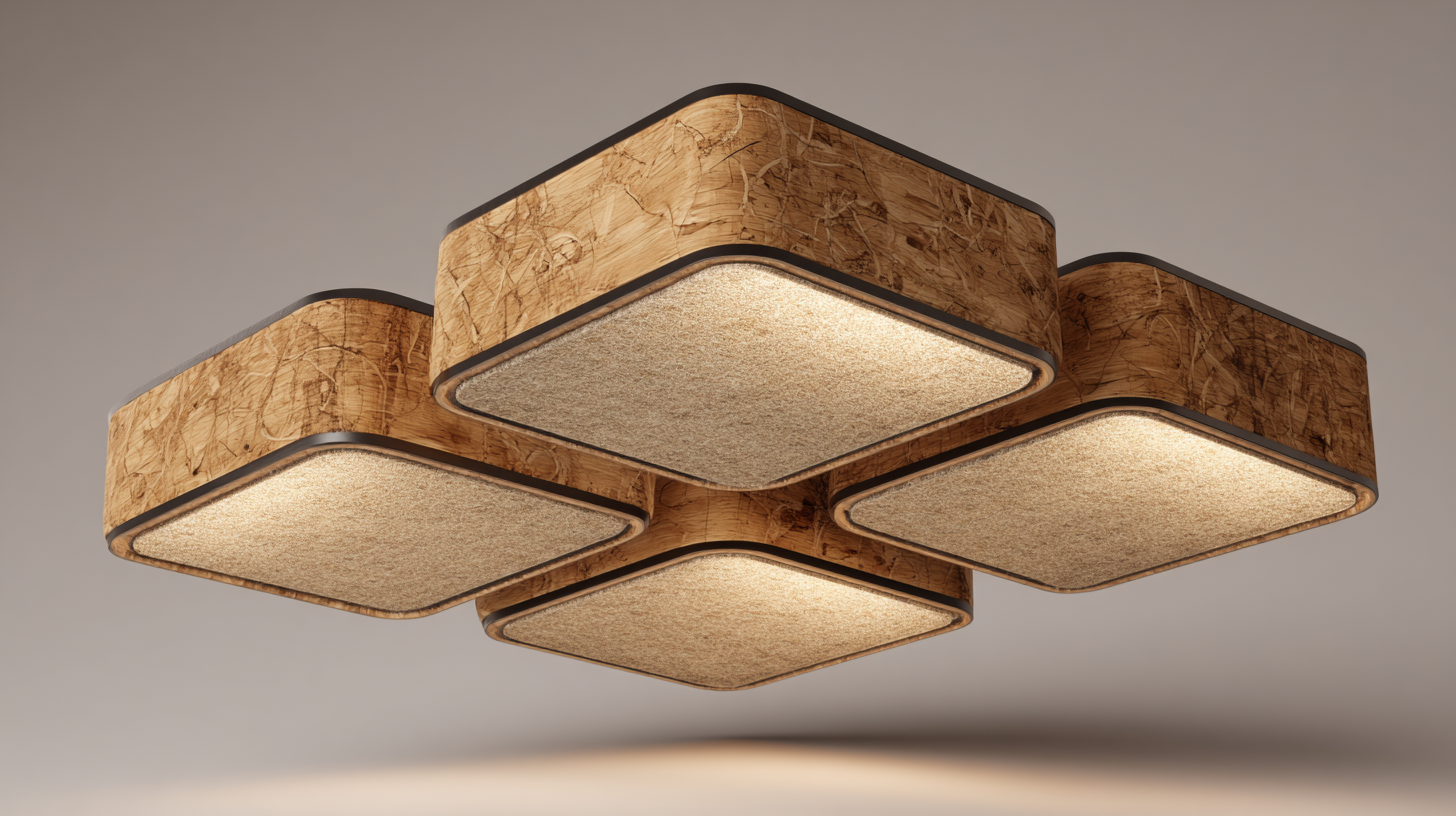
For 15 straight years, I’ve argued that a second wave of LED innovation will be the simplification of luminaires to the point where we can achieve electric light sources that are more than 95% biodegradable. Watch my conference presentation “Specifying a Brighter Future” from IALD Enlighten.
The core benefit is that such fixtures are beautifully simple, and therefore cheap to build and cheap to dispose of at end of life. NO…”sustainability” DOES NOT ADD COST when properly conceived…it REDUCES cost. Plus, almost as a pure bonus, innovative biomaterials also open a world of new fixture aesthetics that align with current healthy interior design trends.
My previous pontification at the US DOE SSL R&D Workshops led to my award-winning bamboo pendant concept, which inspired Sean Darras to launch the highly successful Lightly brand.
But there is a world of creative potential here that lighting manufacturers continue to willfully ignore.
DC POWER
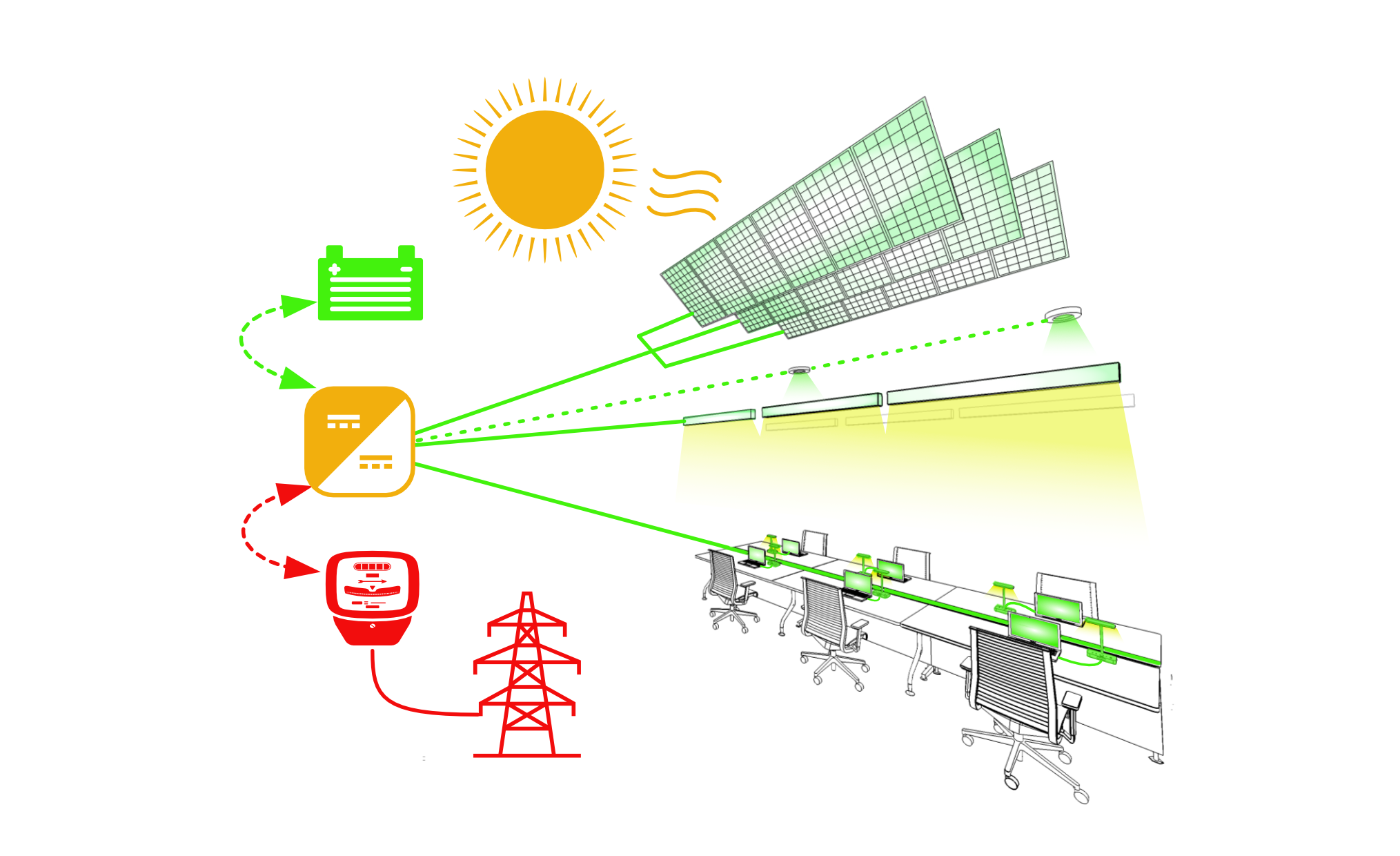
Everything in a modern commercial building consumes DC power. Solar panels generate DC power. Batteries store DC power. Modern power electronics are all DC-based. No body trusts the power grid anymore.
So of course we should use AC infrastructure throughout, right?
Wrong. Deeply wrong, and this has become a major choke-point to the second-level innovations we want and need in our buildings. I gave an entire conference presentation, essentially a VC pitch deck, advocating for “The DC-Powered Building.”
There are many layers of hardware, software and various levels of “intelligence” that will revolutionize DC powered architectural lighting systems. More points of light will be used, with finer control of all charateristics of the luminous environment. But only if we can eliminate the “waste” out of our buildings’ electrical infrastructure.
THE FUSION OF A/V AND LIGHTING
As I addressed in my presentation “Every Surface a Screen: Now What?“, the built environment is becoming a portal to the virtual world.
But there is a chasm between what is considered the “lighting” budget and what is considered the “A/V” budget. In that space, there is enormous opportunity to create new architectural features and product lines.
As spaces become increasingly branded, owners demand instant flexibility in brand experience and there is a growing need for visual surfaces that can change color, texture, or media across a range of scales and formats.
Watch this marketing video I produced for Tapio Rosenius at Poet Software, on how such digital branding will help expand the operational revenue potential of stadiums and arenas to “365” schedules. That’s real money, not just “art budget” money.
There was some experimentation in this area early in the LED revolution, but much of it dried up over a decade ago, and the space went stagnant. For better or for worse, since then, LED flex tape “ate the world”, which gives enormous creative flexibility but demands innovation in how it is integrated into an actual construction site.
Between lighting and A/V, there will be new fixture concepts, new mass-customization models, and plenty of innovative control system opportunities. Two I’ve worked with include Poet, for integrated control of lighting and media, and DigiValet, for a refined control solution in hospitality environments. And there is enormous opportunity to expand the category of “media servers” to create an entire concept of an “immersive OS” – but that pitch deck is still private!
THE “IN-BETWEEN” INNOVATION CHALLENGE
Have you noticed the problem holding back all of these potential new revenue streams?
The most profound innovations typically happen in the in-between spaces. In the opportunities I’ve listed, that means the spaces between:
- “lighting” and “architecture”
- “lighting” and “A/V”
- “lighting” and “electrical infrastructure”
Vision is required to see how defensible those hybrids become once launched.
THE BIG RETURN

And yes, I’m fully aware that if a single company combines all of these concepts, you will have:
- A high-growth startup that owns entirely new product categories in hot-growth segments;
- Which fundamentally has local mass-customization advantages predicated on digital fabrication and local materials that wipe-out competition with cheap foreign imports;
- Which uses an entirely new supply chain of infrastructure/OEM components that give strong spec-locks.
In fact, all of the ideas listed here are “spec locks” – and coming from a former specifier who has seen all of the shenanigans, please take my word for it. The other rep agencies will get really pissed at this company, because it will make them do all sorts of shady stuff to try to sub it off projects. And that smells like actual, hard work…which is a damn fine spec lock.
DERISKING IDEAS
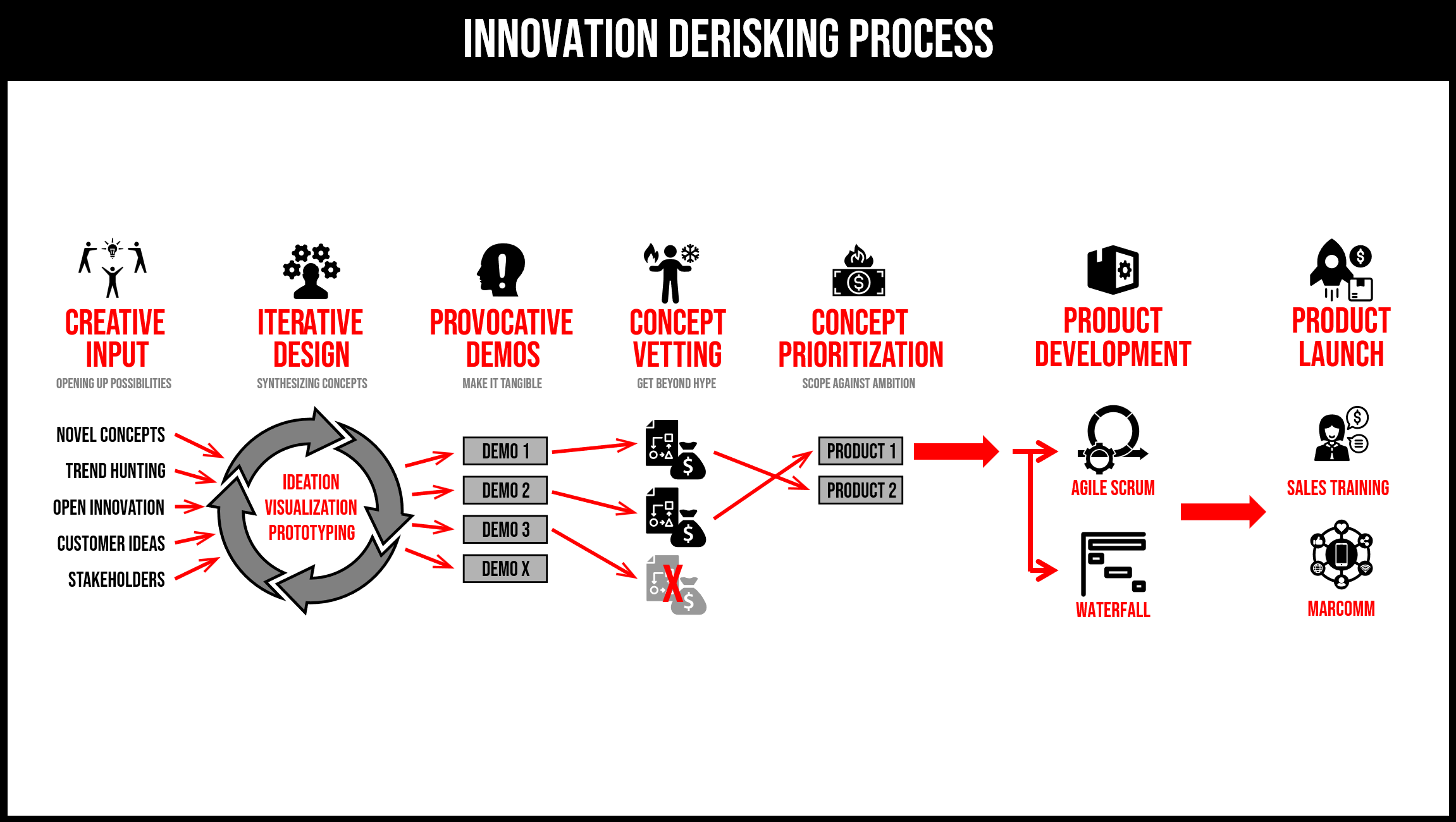
In an industry drowning in commoditization, there are plenty of new revenue opportunities – if anyone is even willing to try.
Innovation is a process of derisking ideas all the way to profitable revenue. I’ve covered this in a full conference presentation titled “Anyone Can Innovate: Managing Innovation as a Process“.
So how can I help your organization grow both your top line and bottom line?

(Disclaimer: None of this represents investment advice in any specific companies. You must do your own diligence and take your own risks.)
 Lucept