
Truly progressive art has always been on the cutting edge in critiquing cultural and technological trends.
Yet many people conveniently forget that the “technological” side of that statement has been such a key catalyst in artistic exploration. Exploring new mediums of art has often been as profound as exploring new cultural evolutions/revolutions.
Every new media technology has driven waves of artistic inspection and exploration. For example, think of the progression from photography to film to analogue video to digital video. Every advancement in capturing media, editing media, displaying and distributing media drove waves of creative exploration, discourse and innovation in countless areas of society.
Artists translate social, economic, technological and other trends into exploratory aesthetics. By “aesthetics” is meant the visual and sensory representations that artists produce to translate human feelings and emotions into tangible form, to catalyze society’s understanding of the underlying changes and trends.
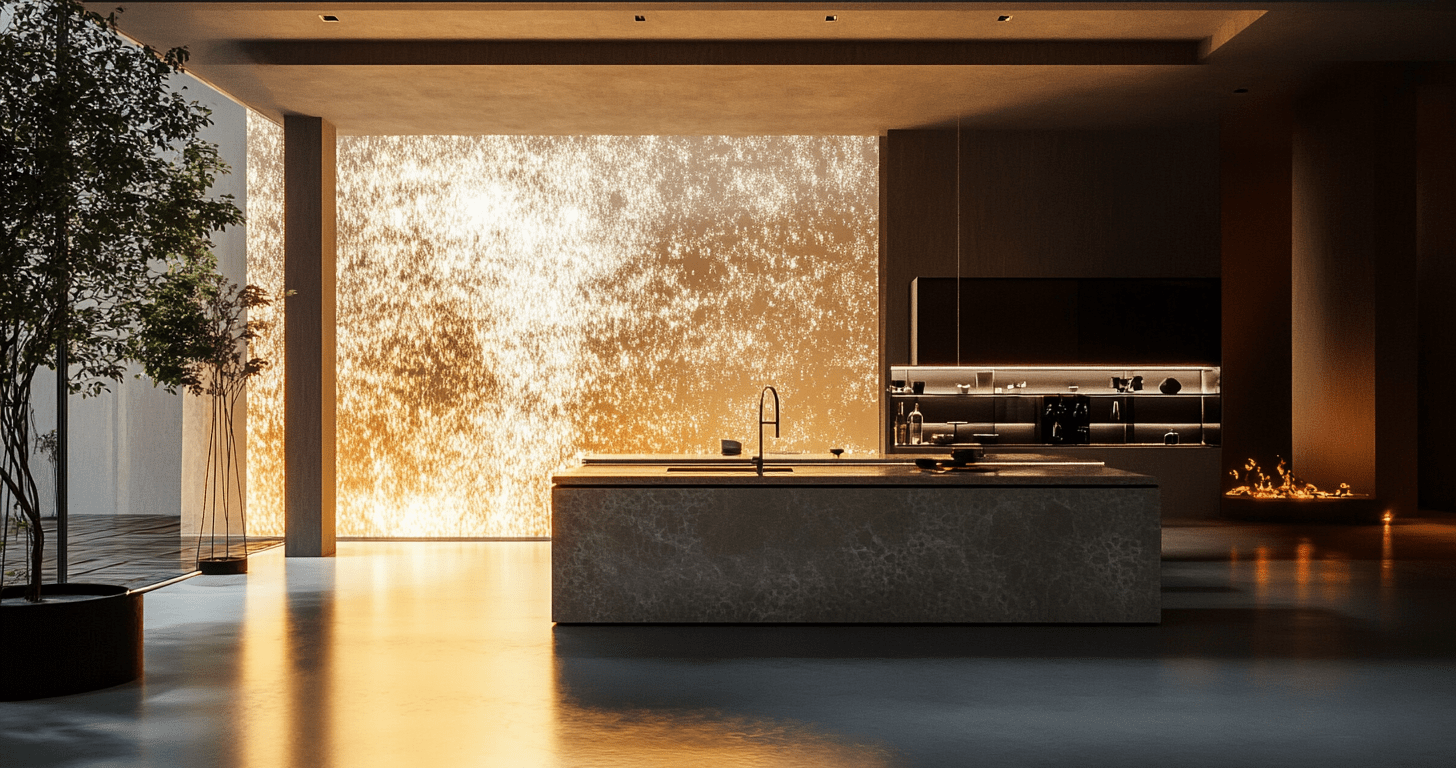
The technological revolution of large-format, hyper-realistic, architectural-scale digital surfaces is at the precipice of widespread adoption. How will artists use these digital surfaces to describe our current zeitgeist in space and time? How will they reflect and comment on our zeitgeist with these immersive scale surfaces?
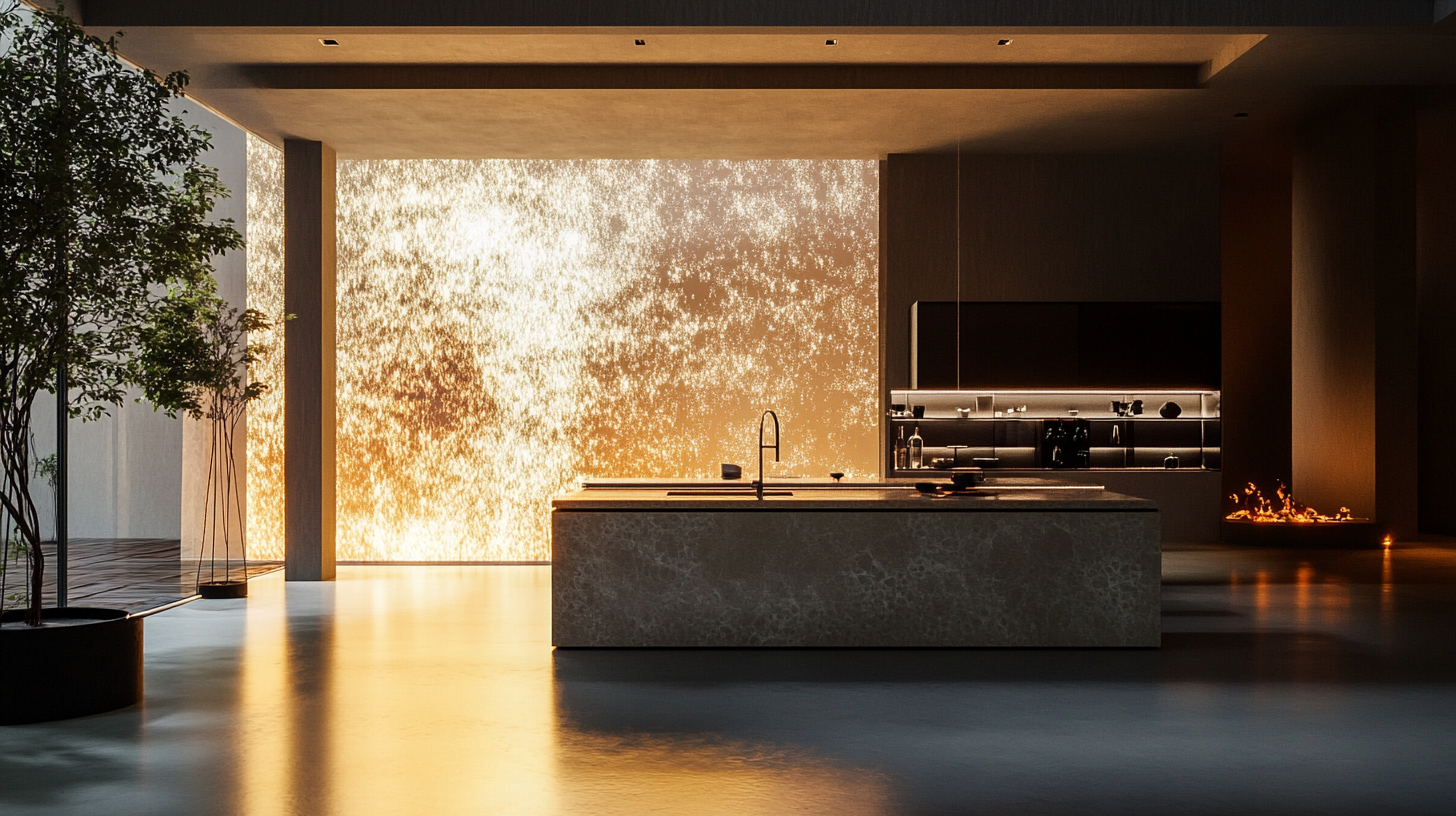
How does it feel to be in architectural rooms where entire surfaces are hyper-realistic, vivid digital portals to worlds beyond?
It is a question that is ripe for exploration. These fantastical digital portals — that match us humans at our own bodily scale — are going to trigger an explosion of artistic exploration with such wild new aesthetics, we can’t even conceive of them yet. The ramifications for all of the various placemaking design professions are vast.
While ARTISTS explore the human condition, on the other side of the same coin, I would argue that DESIGNERS improve the human condition. Both will be profoundly impacted as digital surfaces spread throughout our lives.
ARTISTS lead society in meaning-making; DESIGNERS quickly follow with applying those learned meanings in useful application.
So right now, because of the radical explosion of sheer possibility brought about from architectural digital surfaces, we need artists to venture forth and explore.
Some examples of how architectural digital displays will challenge both art and design:
– How does one define “glamour” when in the presence of a large format digital surface?
– How does one define “productivity” when in the presence of a large format digital surface?
– Or romance?
– Or healthcare?
– Or warfare?
– Or entertainment?
– Or childcare?
– Or education?
– Or mental wellbeing?
– How does one redefine the mundane daily cycles of life in front of large format digital surfaces? How would your morning cup of coffee feel in front of a physically encompassing, immersive digital portal that could transport you to any time or place, either real or imagined?
Architectural scale digital displays are unique in that they are one of the few digital interfaces that allow for shared immersive digital experiences. So how will the group experience evolve in spaces with such profound, human-scale digital portals? Cultural signals of common interests will evolve rapidly in such environments.
The meanings here must be made visible, tested, trialed, explored. Unfortunately, Designers often can’t use their professional projects for such experimentation — construction projects are just too demanding in all aspects — which is why we so badly need the art world to lead the charge of exploration with architectural displays.
 Lucept