
I recently read an AI-generated piece on “how to use technology to create an unforgettable brand experience” that read like it was written a decade ago. Despite the AI system including all sorts of modern tech buzzwords, the entire piece treated customers as passive consumers with the brands somehow in complete control for crafting the experience.
Brand managers, who built their careers making traditional autocratic media for unidirectional media channels, are highly threatened by the rapid convergence of several technologies, including the power of immersive gamified worlds, personalized AI-driven content generation, and the larger DIY content creator/social media movement. These three technologies are deconstructing traditional branding in a way that makes most traditionally trained brand managers extremely uncomfortable.
While marketeers sit around obsessing over fonts and logotypes, autocratic centralized brand control is dying. People today build their own personal brand experiences, themselves. Today, people who love a brand can easily build their own media content – even a complete media channel – purely focused on that brand, whether the brand likes it or not. The point is: The brand doesn’t get to choose.
Think about your own experience: With the brands or companies you follow most actively, what percentage of content about those companies actually originated from those companies, versus what percentage is generated from independent enthusiasts? In my own personal hobbies, the ratio is now about 1% company-generated content versus 99% enthusiast/influencer generated (its probably even more extreme, when thinking in terms of minutes of content). Even on B2B sites like LinkedIn, homemade DIY content routinely clobbers slick overcooked brand content.
At best, a B2C- or even a B2B-brand can only hope to give their potential customers a trove of creative content inspiration, state-of-the-art content production tools and useful content libraries to make it easy for potential customers to include their “brand” content in the creation of the customer’s own personalized content. This is as true if you’re selling clothing to teenagers or professional services or luxury residential condos – your customers are the brand, not you.
What is especially fascinating is what will happen when creators start gaining the power to participate in creating the “real world”.
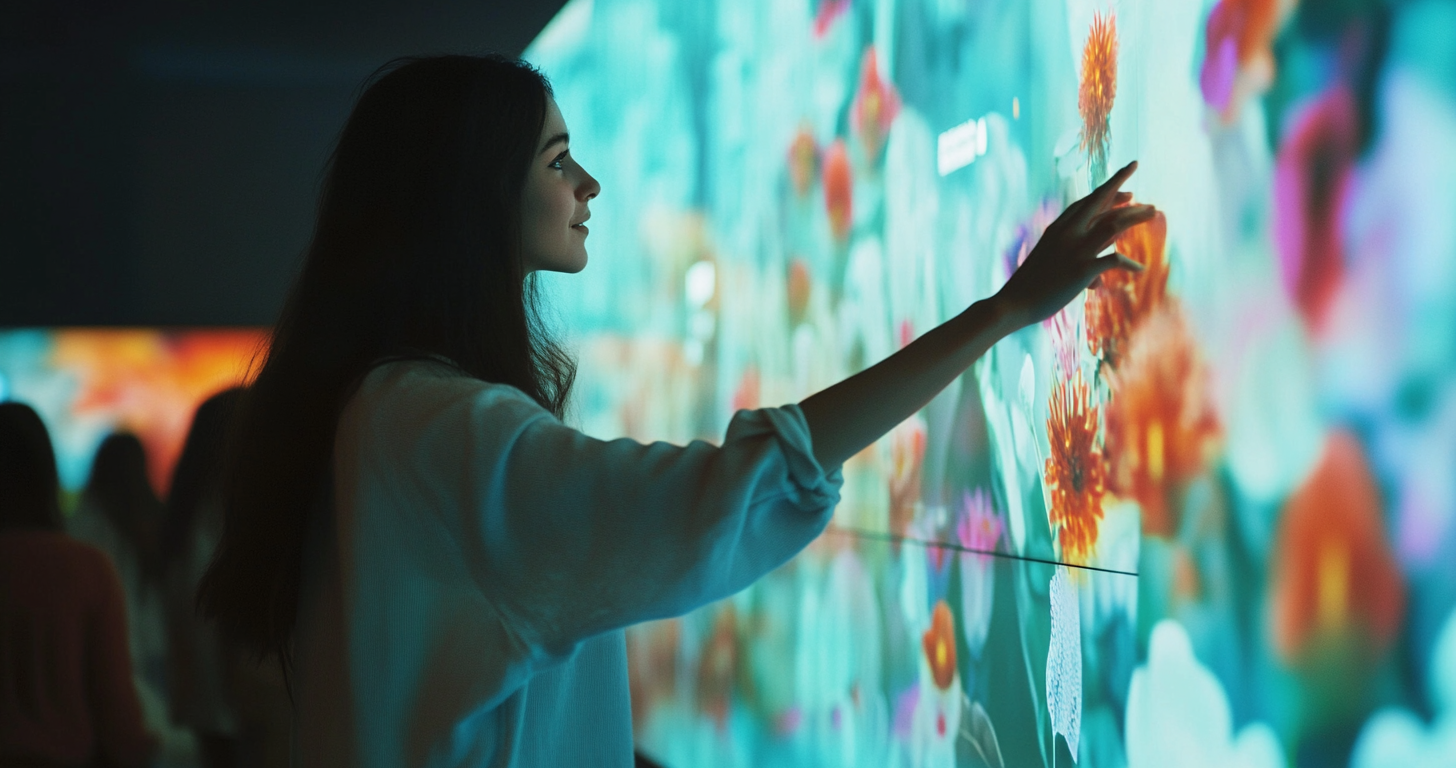
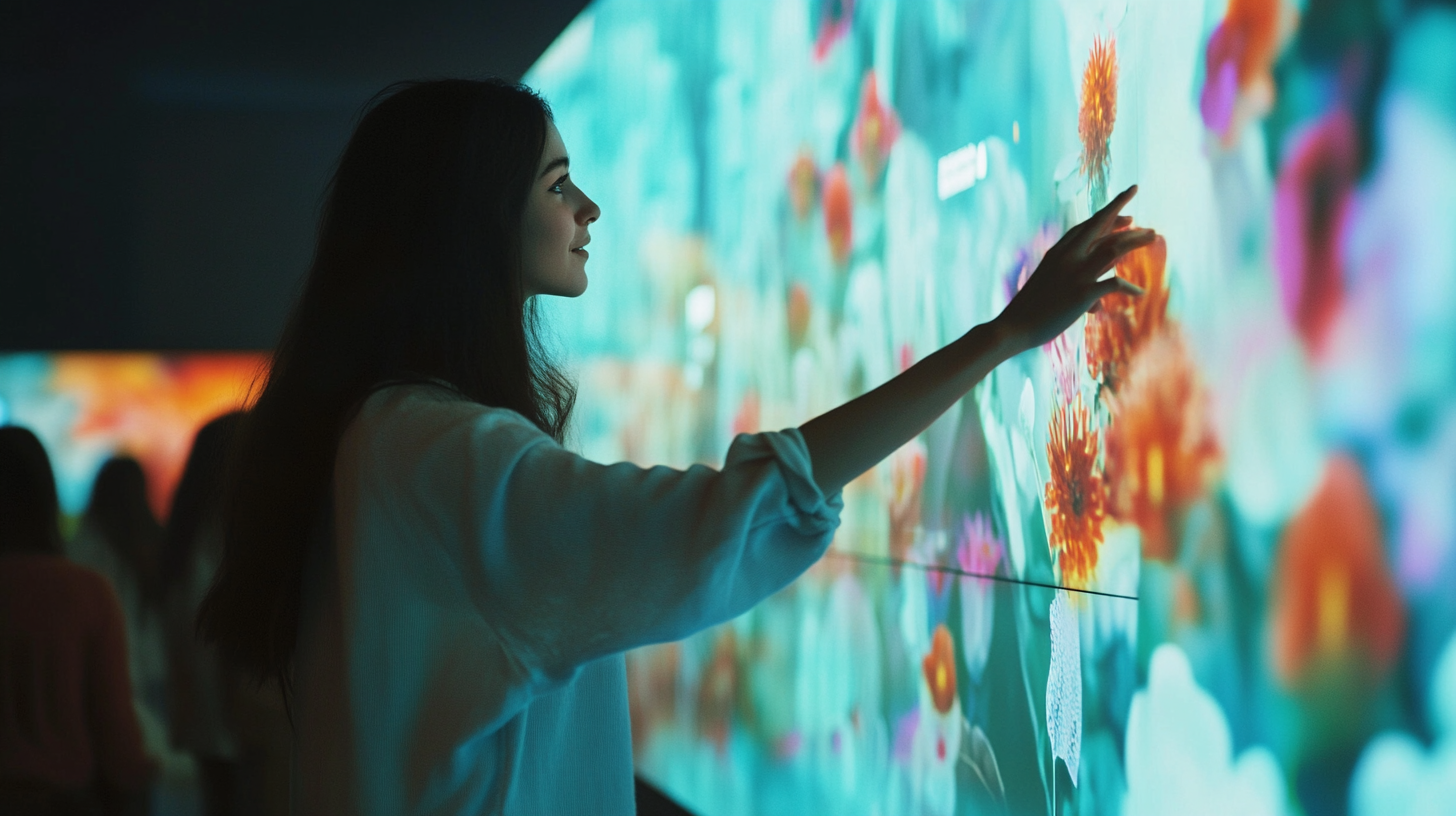
When these highly personalized content-creation and participatory technologies are connected to the architectural places we inhabit, large-format architectural digital surface become portals to the digital world. How will pervasive new technologies such as live rendering, AI-generated content and intelligent machine-learning enhanced interactivity create entirely new personalized brand experiences in retail, hospitality, healthcare, etc.? The brand experience of staying at a hotel room, or a hospital room, or of trying on clothing in retail could be 90%+ of the customer’s own creative will. The space could look and feel exactly the way THEY want it to – a participatory interaction in space between brand and customer.
The question is: Will brands with physical locations be able to let go? To let their customers build their own experiences using building blocks provided by the brand?
 Lucept