
Most people simply can’t grasp the concept that the RATE of technological change is accelerating so rapidly. That so many aspects of technological progress are exponential, not linear.
Am I missing something or are the striking Hollywood unions so enamored by their own “creative egos” that they don’t realize production companies are already rapidly moving to 100% synthetic characters? What exactly do the unions think is their negotiating leverage?
For screen actors, the next “stars” will be generated, not real. And I don’t mean scraped/stolen/A.I.-replicated from single individuals (as the Hollywood unions claim is a major negotiation issue). I mean computer-generated by algorithms derived from vast pools of data about humans to which no one can claim singular “IP” rights, turbocharged by tools and techniques that dramatically reduce the barriers to creative production.
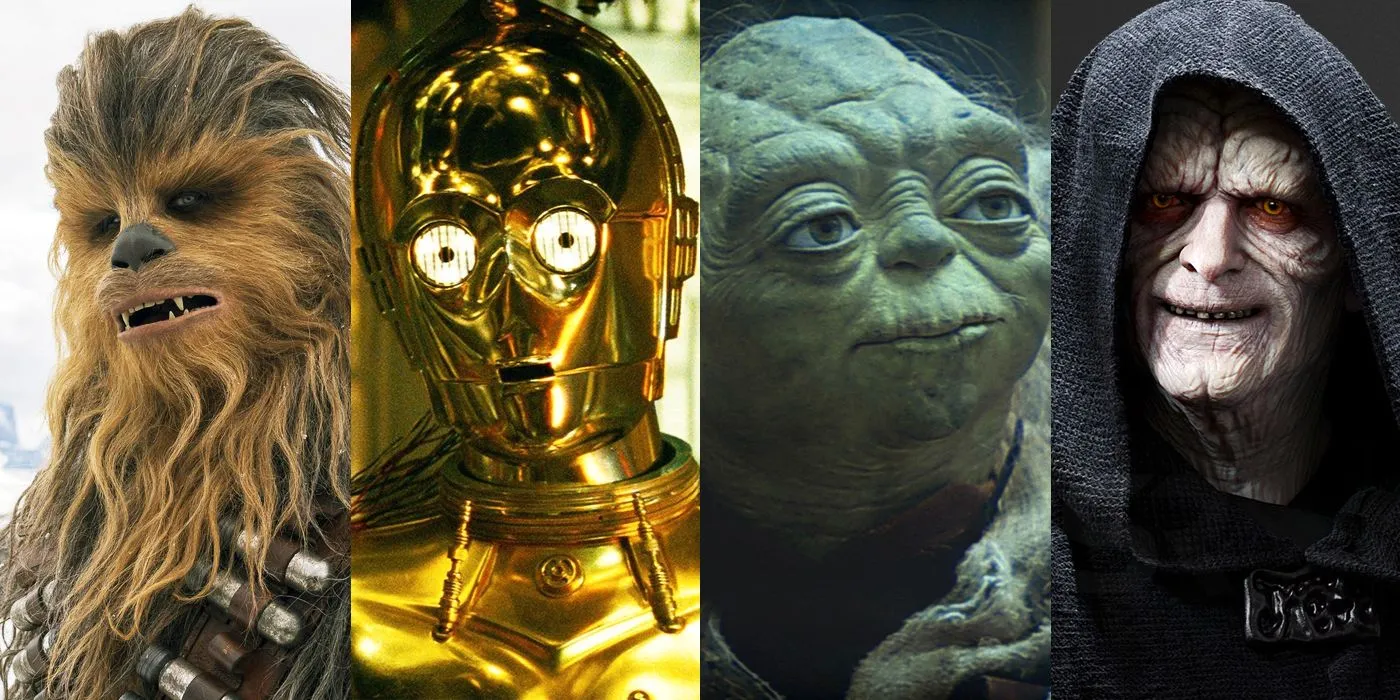
Think about it – how many beloved Hollywood live-action characters are already effectively “synthetic” amalgams of special effects and production trickery? That’s not even considering the vast catalogue of animated star characters.
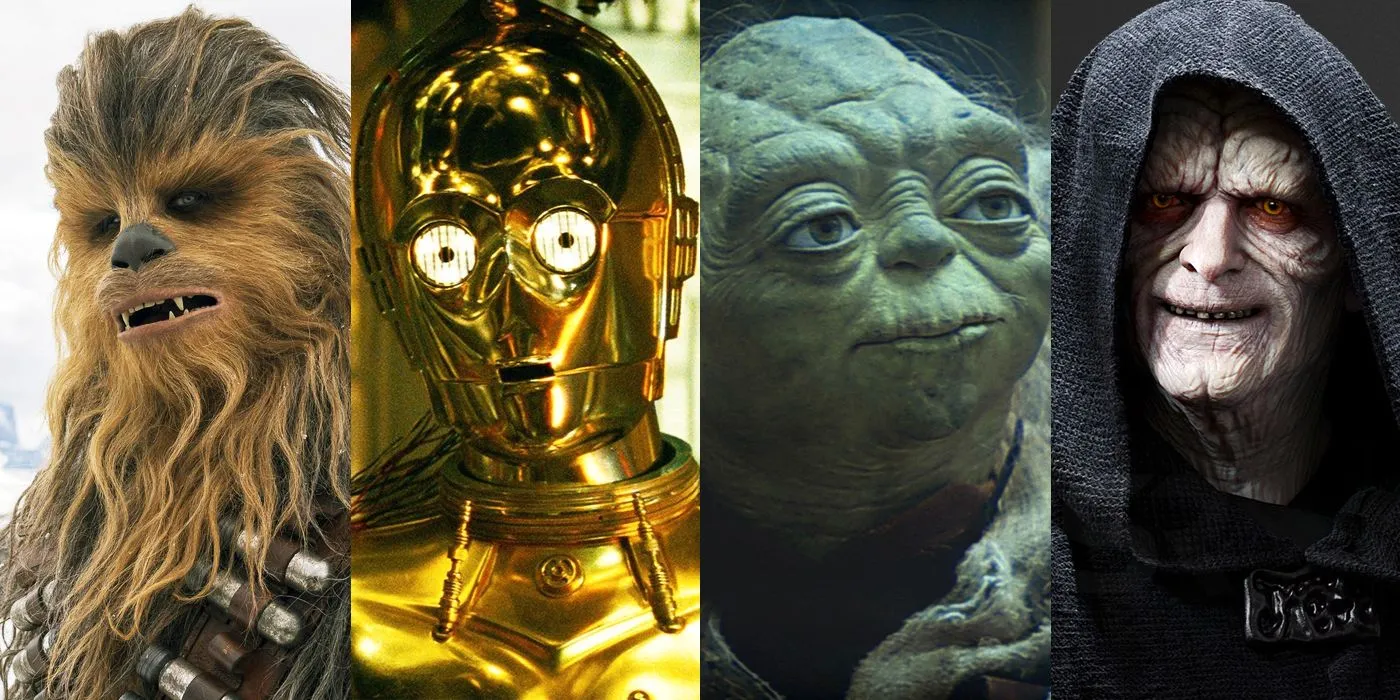
Hollywood’s monopoly on entertainment content production is over. Already the gaming industry has far surpassed Hollywood in commercial scale – and gaming is built on entirely synthetic characters. How beloved is Mario? Ironically, loved enough to make him one of Hollywood’s few hits this summer.
Hollywood is a factory, no different than others, and technologies will transform it just like every other industry. Production companies are already producing stables of synthetic “stars” that don’t require dealing with messy human beings. The technology is quickly bridging the “uncanny valley” to the point where synthetic characters can be used in any creative concept. And the thing that should really scare the unions? Those “stars” can be more innovative, more extreme, more differentiated and more commercially effective than human stars.
If the incumbents try to throw up legal barriers, the technologies will just evolve right around them by finding different approaches to solving the same problem.
As for the writer guilds, even worse is that technology is making it SO MUCH EASIER to create “Hollywood quality” productions. The next superstar content creators are probably some teenagers in their bedrooms who can almost instantly realize their wildest imaginations in whatever mediums they feel like and distribute them globally by themselves for zero upfront cost. How many thousands of young YouTubers are already running commercially effective entertainment businesses? It is the “long tail” hypothesis writ large.
Finally, the nail in the coffin for both the creative unions and the studios they are protesting against is that the marketing side of Hollywood is antiquated and rapidly collapsing. My teenage kids have no clue who Jimmy Fallon or Jimmy Kimmel are; don’t read any print publications; have never watched NBC/CBS/ABC. In virtual worlds like Minecraft or Roblox, my kids are generating their own entertainment through their own creative play escapades. They watch thousands of hours of YouTube but hardly anything on Netflix or Disney+. I have to DRAG them out of the house to see a movie in a theater. They just don’t want to. Their world of entertainment comes from completely different channels than anything Hollywood is used to dealing with – and that impacts all aspects of the industry, whether you are a fat-cat studio head or a unionized creative worker claiming you “deserve” more.
your career?
Because of the rapidly increasing RATE of change, various creative professionals need to come to grips fast about the true nature of their professions and what they are actually selling. While you may love and adore whatever “craft knowledge” you practice, don’t be blinded by your own creative ego, because in the end, the product that the paying customer demands is all that really matters. Innovation is fundamental and unforgiving: The “problem to be solved” for the customer may never change, but for sure your particular craft solution can be easily wiped out by better/faster/cheaper techniques/technologies. Just remember: In any free economy, your end customers don’t have to buy the solution produced by your union-protected contract.
As a professional creative, how do you most efficiently get to that end product while staying relevant and employed?
 Lucept