
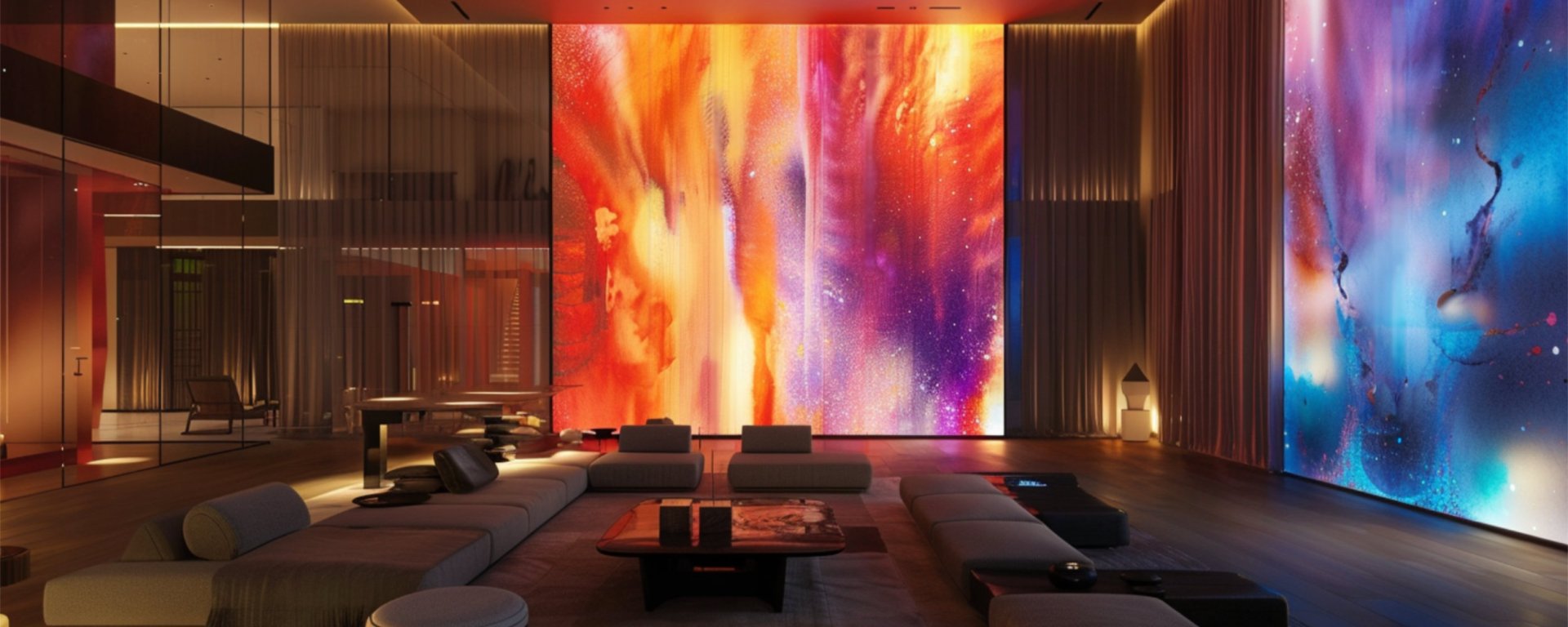
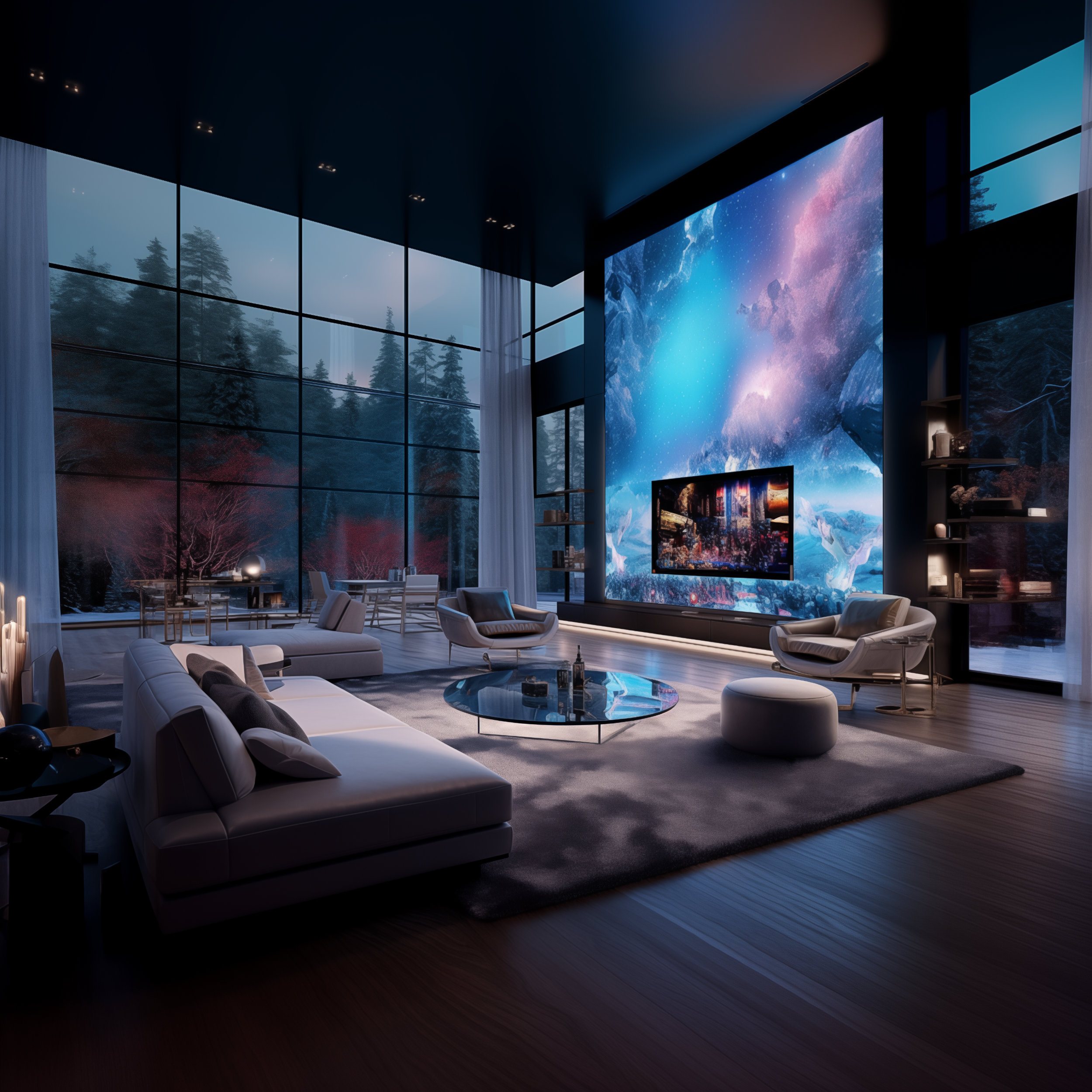
How can large-format digital walls be creatively used in luxury residential and hospitality applications?
Over the past couple weeks, I presented a new take on this subject at events in Denver, Los Angeles and London. The key point I made is that there is a gap between the state-of-the-art of the technologies currently available and the creative implementation (or lack thereof) from architects and interior designers: LED walls can be used at any scale and at quality levels approaching “reality”, but there is a dearth of creative ideas being put forth from designers to include these in their placemaking concepts. My speculation is that architects and interior designers are not taught how to actively design the fundamental element of time, and therefore they don’t have the design language or design tools to actively design experiences, particularly immersive digital experiences.
And this is especially evident when you compare traditional architectural education with tradition theater arts education. Theater is fundamental rooted in story, narrative and time. Architects lost that with modernism and must find a way to rebuild the skill of constructing narratives in space.
Let’s explore how the active design of time and therefore experience design will open up wonderful new creative concepts for interiors. Here are 4 creative areas that interior designers can embrace to bridge that gap between the technology and their creative concepts. Enjoy!
 Lucept