

Even though creativity can happen anywhere, throughout history there are certain studios, offices and labs that have generated sustained creative innovations across long stretches of time – sometimes measured in decades. Spaces where some intangible concoction of elements come together to help artists, designers, musicians and engineers produce the best work of their lives.
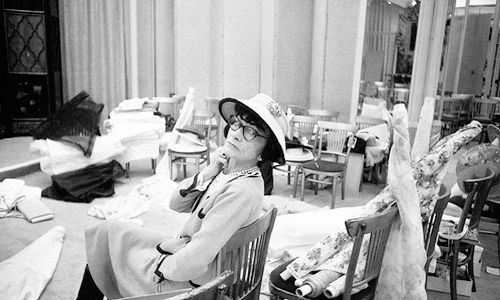
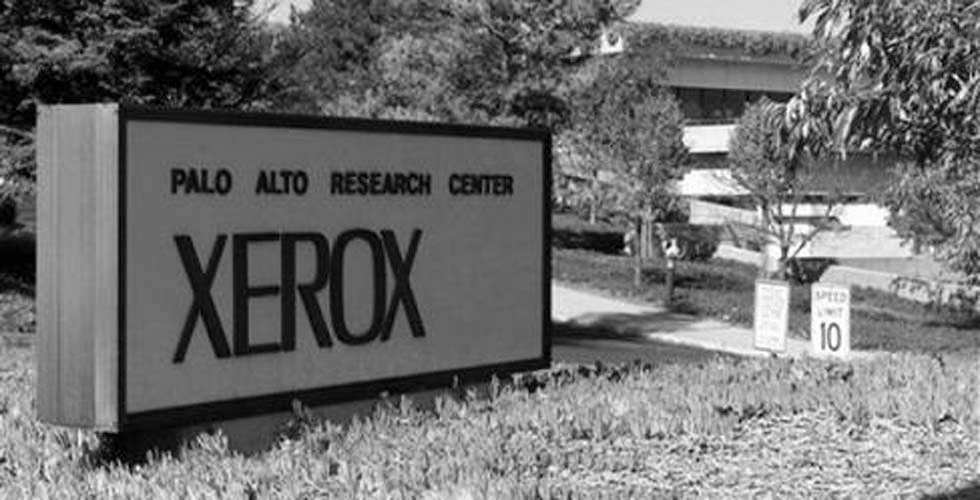
Throughout modern history, there have been countless such spaces: Recording studios like Abby Road Studios or Sound City. Design offices like Frank Lloyd Wright’s Taliesin or the Eames 901 Abbot Kinney. Fashion ateliers like Chanel’s 31 Rue Cambon. Artist studios like Warhol’s The Factory. R&D centers like Xerox Parc or Bell Labs. Production studios like Warner Bros Studios or Disney’s 1401 Flower Street. Academic labs like MIT’s Media Lab. And so on.
What factors came together to produce these enduring hotbeds of creativity? What qualities and conditions must come together for a place to go from some wannabe art studio to a place where sustained genius happens?
Contradictions
At first pass, no one factor seems to stand out:
Some of these locations were just temporary, built in empty warehouse buildings; others were exquisitely, meticulously crafted expressly as creative space.
Some were in the largest, densest urban centers; some were in the middle of rural farmland. Some were exclusively tied to large corporate entities; others were completely independent.
Some were rooted in major academic centers; others were nowhere near a college or university.
So what takes 4 walls and turns that space into a enduring, legendary center of creativity and innovation? Let’s explore a few possible items:
1. Vibe + Energy + Product
What are the sensory aspects of a space? Literally the light, sound, smell and feel of a space? Is there a contemplative feel or hustle and bustle? Is the space open and flexible – or at least accessible to wandering around?
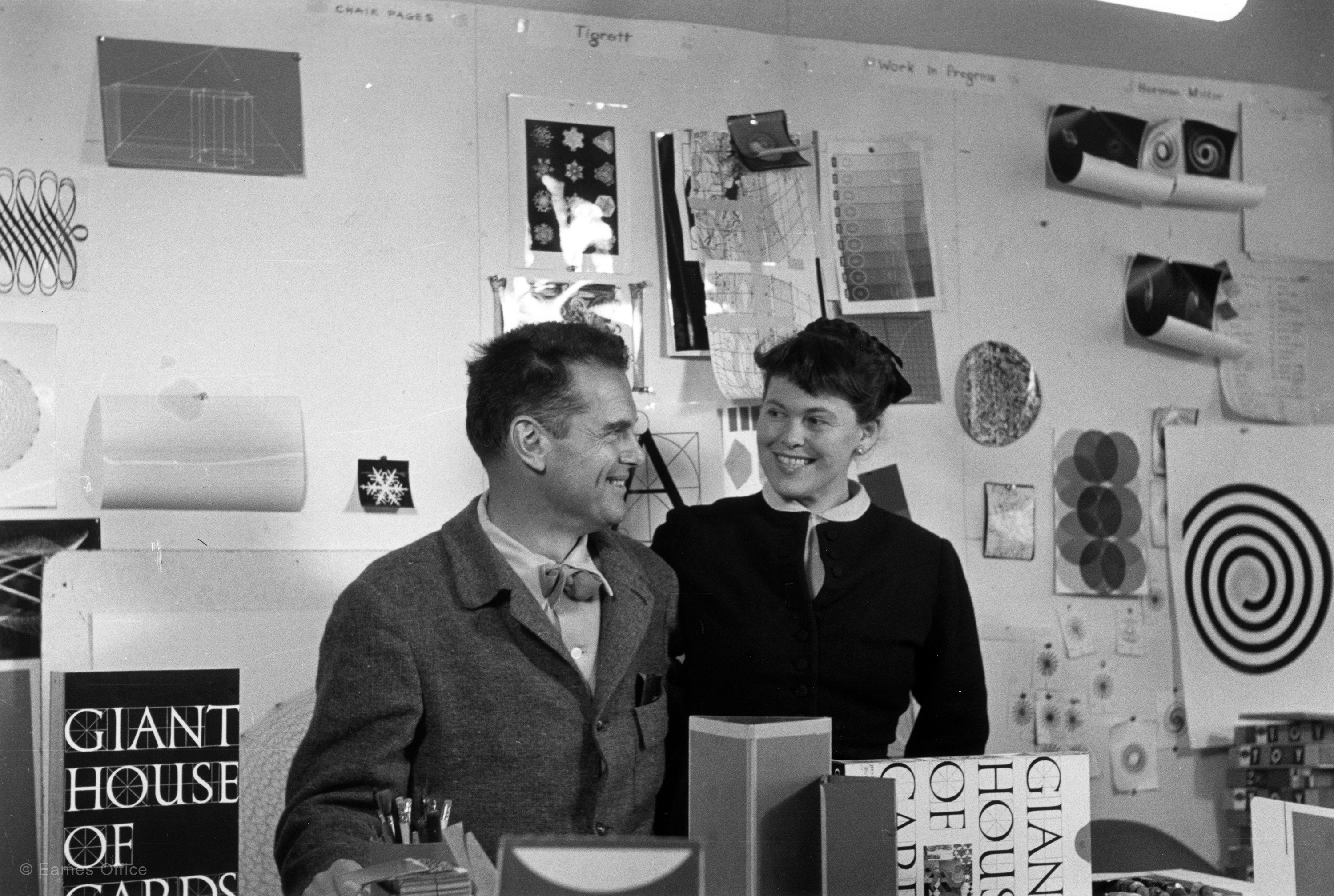
The style of work being done dictates the scale and qualities of the physical surroundings (i.e. an architecture studio will be different than a recording studio). But the importance of creating a “vibe” remains the same and needs to be carefully considered. It is critically important to be surrounded, enmeshed by the work: Pin up boards filled with concept art, demo tables of models or prototypes, open rehearsal studios with impromptu performances, mannequins being fitted, so forth. There has to be a “maker” quality to the space that is energizing.
Conversely, generic, offices with generic furniture and generic surroundings and obsessive-compulsive clean-desk policies do nothing to facilitate creativity and spontaneous collaboration.
This is why so many feel they are better off sitting at a Starbucks with their laptop and headphones rather than at their corporate facilities.
2. Locale + Networks
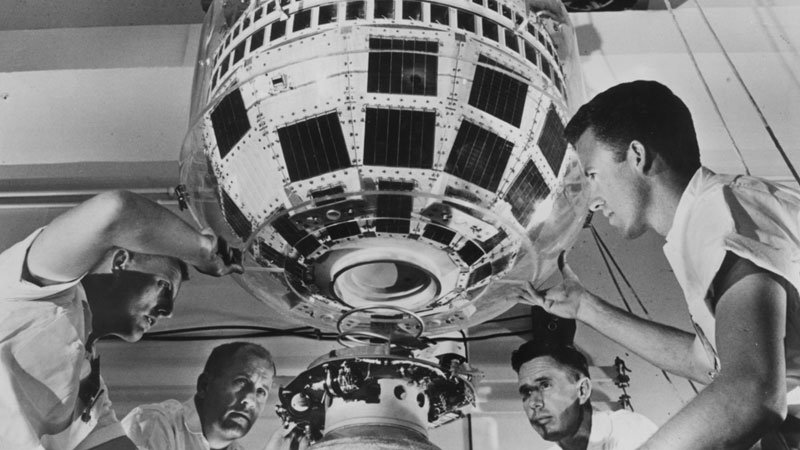
Is the space located in a region or territory with a network of supporting institutions or resources? Academic centers? Manufacturing centers? Networks of art production – film, writing, media, etc.? Technical centers like Silicon Valley or the aerospace center of Southern California? Or is it in a region where the product is easy to test/build/use?
You don’t build rockets in Manhattan, but surprisingly, you can develop the transistor there.
There has to be easy physical accessibility both ways – for staff to find external resources and for various community members/collaborators/stakeholders to filter into the space and find the internal resources. They have to understand that “something important” is happening there and want to physically participate.
Conversely, if you’re located in some horrible, generic location surrounded by a sea of highways, parking lots, chain stores and oppressing blandness, guess what sorts of ideas will occur in the space?

3. Facilitation
Does the space have staff that act as facilitators to the ever-changing roster of creatives inhabiting the space, sort of a glue for the networks?
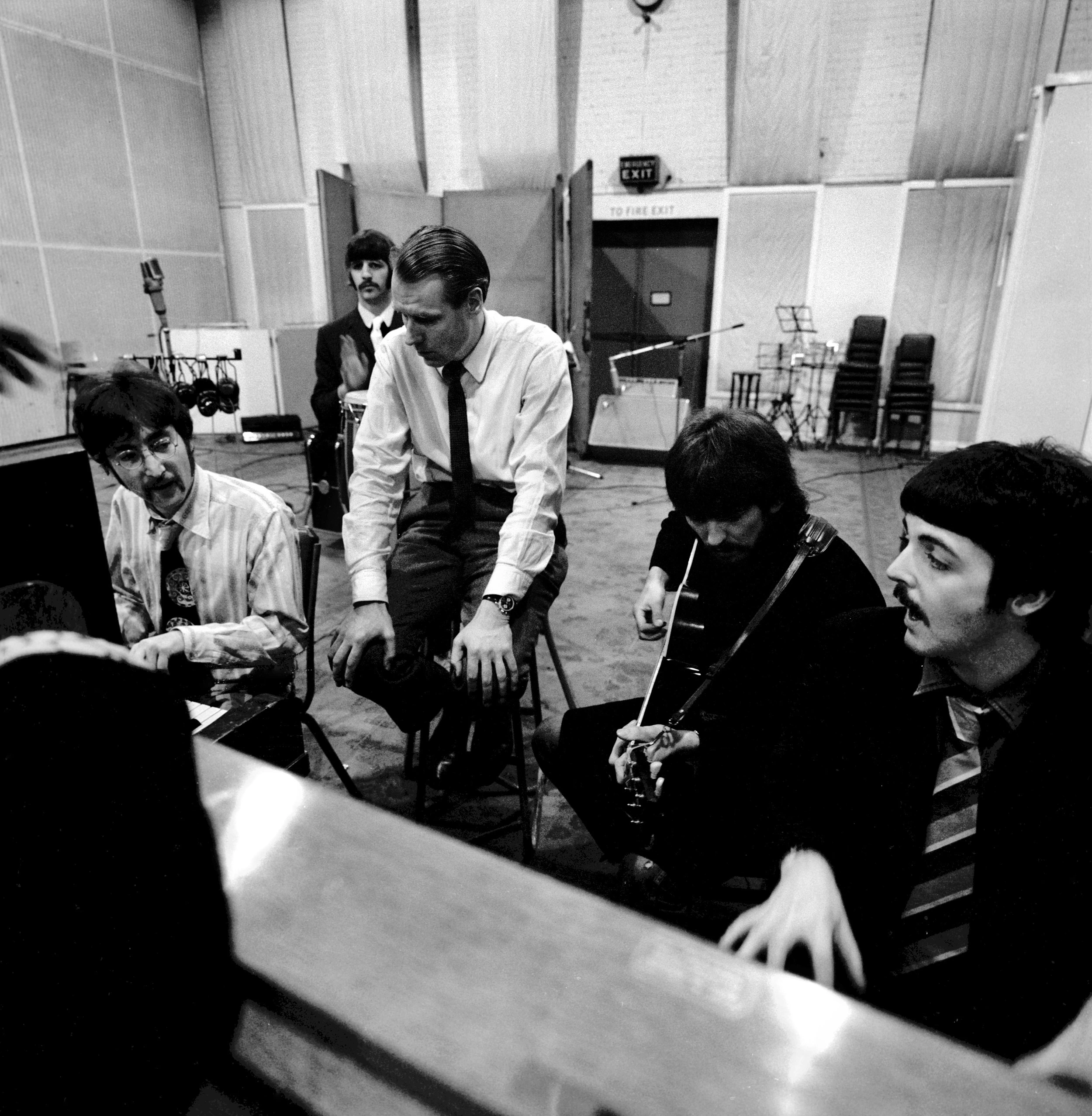
When a new person arrives, who connects them to the needed resources? Someone who knows all the equipment in the space, or exactly who to call to get whatever is needed? These are the types of people who are deeply giving and know the art of hospitality in whatever medium they work. Like the guy who lovingly repairs and maintains the antique microphones in Abby Road and knows all their nuances.
Conversely, have you ever started a new job and no one even helps you get into the building for the first time?
4. Equipment
Why bother making the trek to this space? Every digital tool is available everywhere, anytime. So a great innovation lab has to offer something more physical.
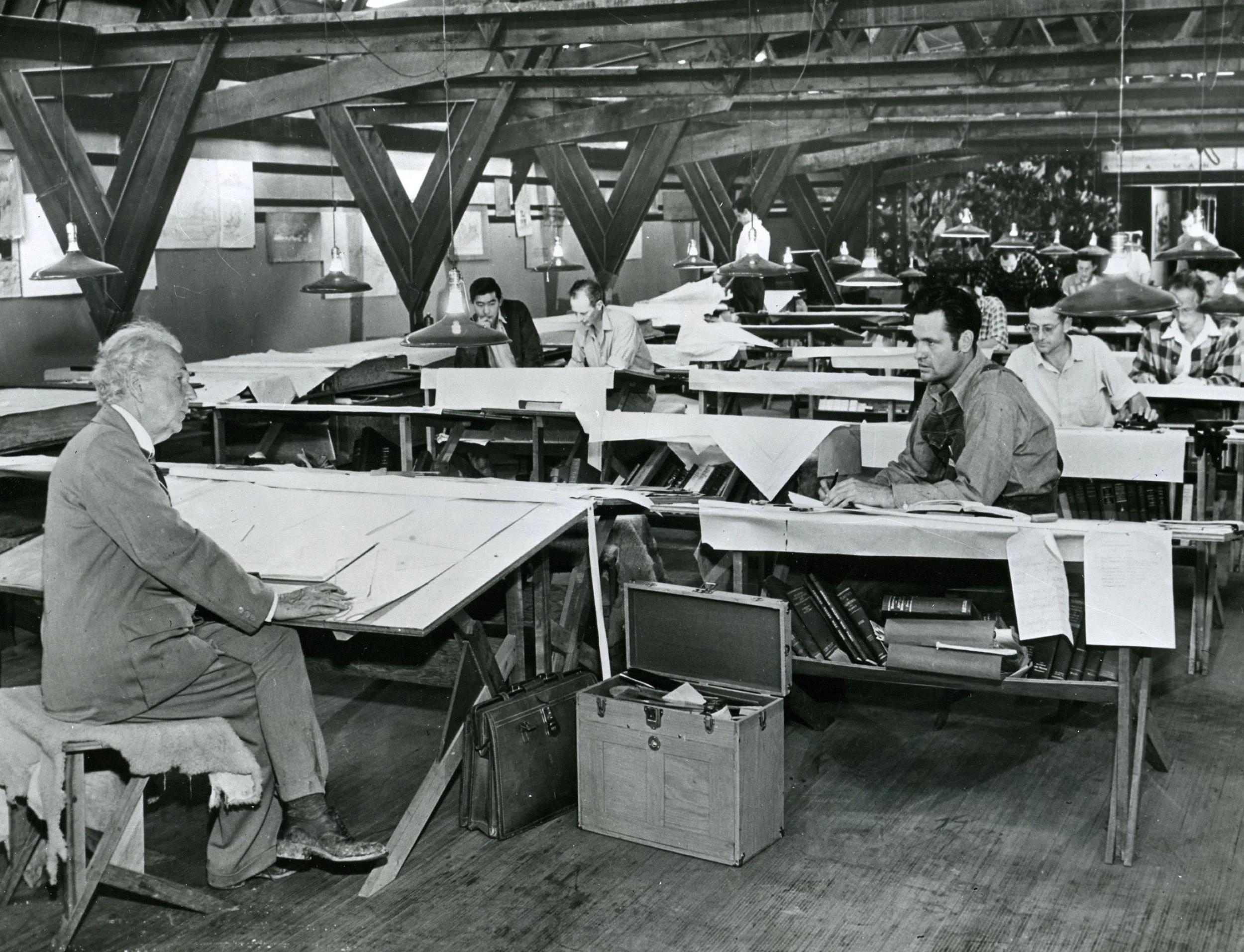
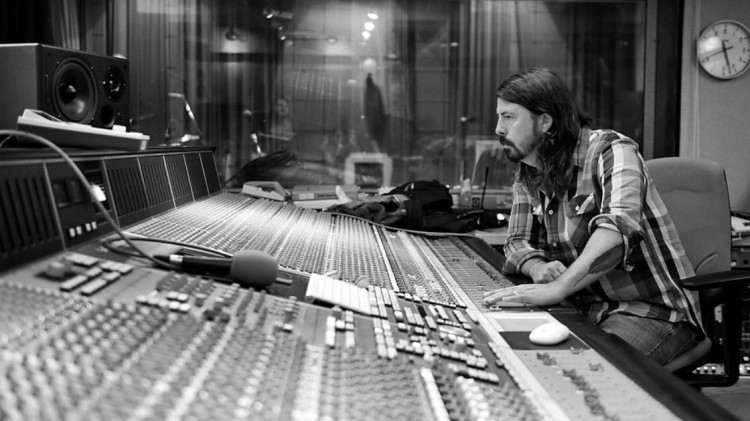
Some of the labs above hold beloved equipment or machinery: Famous mixing boards in recording studios. Machine shops with that perfect blend of old-school and new-school tools. Design or production studios with sacred drafting boards, tables or pinup walls. But even for digital arts, moving beyond 13″ laptop screens can offer enormous benefits. The latest state-of-the-art (or even beyond) technology systems in digital displays for in-person coworking and collaborative review should be readily available.
Conversely, just work from your home office. You’ve got everything you could ever need! Surely you will produce greatness slouched in front of your laptop.
5. Shelter + Nurture
Who pays for the space and the time and the toys? Who ensures that the “creatives” using the space have the time and budget needed to succeed? So who are the visionaries that carve out the budgets for these people and places over the long term to generate, curate and vet the ideas?
Conversely, in this world there is no shortage of small-minded, cheap, short-term managers; there is also no shortage of “investors” who merely want to dump risk onto others, not supporting the originators of the ideas through the toughest phases of creation. They only want to buy ideas once they’ve been developed and de-risked.
6. Eccentrics + Catalysts
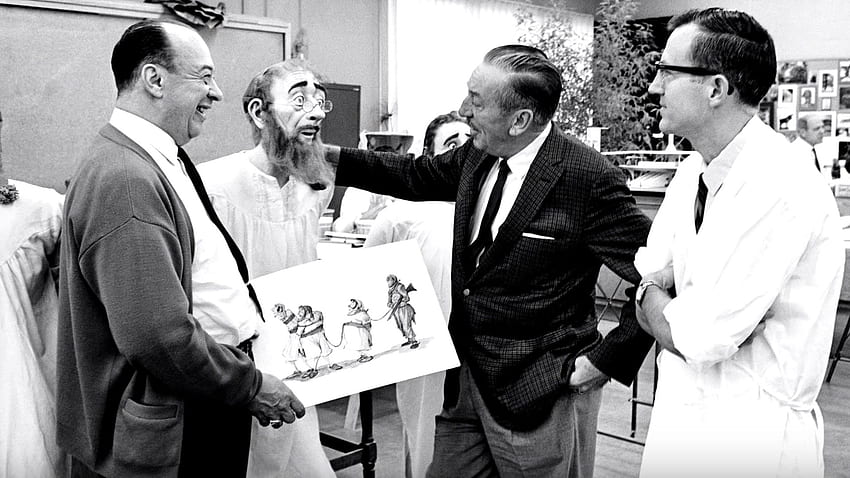
All of the basic ingredients above might be in place, but there is surely some element of “magic” that comes together for the really big, world-changing projects. Of course it is the people, but we’re talking about exceptional world-class innovators, not the run-of-the-mill corporate lemmings. These are the creative minds who span across multiple specializations and synthesize a new reality out of the plain ordinary. With deep expertise in certain technical areas. There needs to be some number of “catalysts” that impact a place: Eccentric, iconoclastic, bombastic – pick any term describes the people who “think different” and “just do it” and have the tenacity to chase their visions all the way.
Conversely, you get corporate “lifers” who conservatively don’t want to rock the boat, or are selfishly angling for their next promotion, or sadly just don’t get how to engage with any sort of innovation process. They get ahead by avoiding ever being wrong.
7. Regeneration
Innovative places need a constant stream of “new blood” flowing through them. But for the most innovative places, this is typically at a pace that is unforgiving for people who think they’ve “paid their dues” and “deserve” to coast.
DARPA (The U.S. Defense Advanced Research Projects Agency) famously limits its program managers – the key catalysts/drivers of DARPA’s vaunted R&D programs – to terms of only 3-5 years. No matter how successful they prove to be, they cannot stay longer, guaranteeing a constant stream of turnover in the organization. Many other creative hubs are near academic centers – supplying fresh, cheap, youthful naivety + ambition every graduation season to wash away the old tenured burnouts.
Conversely, cushy corporate jobs, restrictive labor laws, and the wrongfully perceived value of accumulated craft knowledge are usually the worst culprits in retaining people who should have moved out long ago, to let a new crop of innovators in the house.
Conclusion: A delicate, ethereal synthesis
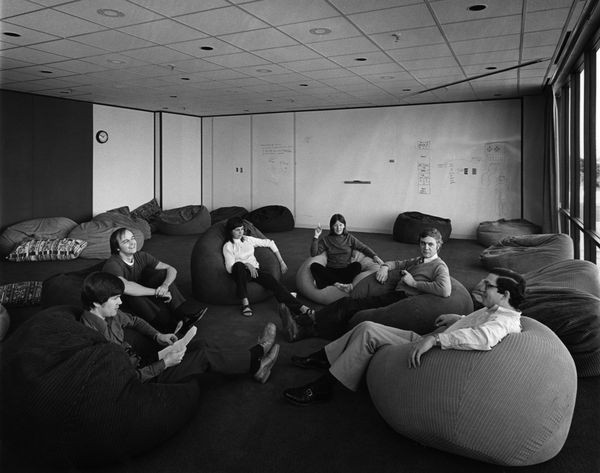
Is there some mystical woo-woo particles floating in the air around these places? Certainly not. But the confluence of qualities that has to come together for a particular place to host amazing creativity across long periods of time is quite astounding. A mix of technical consistency and creative renewal; a mix of squishy atmosphere and hard tools; a mix of intense personal focus supported by broad, generous networks. The hard-nosed entrepreneurial gamble to supply the time and money to find greatness.
They all balance precariously to create these “holy grounds” of innovation.
 Lucept